Every autumn, the same conversation plays out at auto glass shops across Oregon and Washington. A driver comes in with a crack that runs halfway across their windshield and explains that it was just a small chip a few weeks ago. Cold weather didn't cause the chip — but it almost certainly caused the crack. If you have a chip in your windshield heading into winter, here's exactly what's happening and why acting now is far cheaper than waiting until spring.
The Science: Why Cold Weather Turns Chips Into Cracks
A windshield chip creates a void in the outer glass layer. In dry, stable conditions, that void can sit for weeks without changing. In Oregon and Washington's winter conditions, three forces work against it simultaneously.
First: moisture infiltration. Pacific Northwest rain is persistent and fine — it seeps into chip voids that heavier rain might actually wash clear. Once moisture is inside the chip, it saturates the gap between the crack edges and prevents the structural bond from holding.
Second: freeze expansion. Water expands by approximately nine percent when it freezes. Moisture inside a chip void that freezes overnight creates internal pressure that pushes the crack outward from the inside. This happens at any temperature below zero degrees Celsius — which occurs regularly in the Willamette Valley from November through February, and in the Portland West Hills, Salem's higher elevations, and inland Washington State areas around Battle Ground and Ridgefield even more frequently.
Third: thermal cycling. Every morning when you start a cold vehicle and the cabin heats up, the windshield glass expands slightly. Every evening when the vehicle cools down, it contracts. Each cycle puts stress on the weakest point in the glass — which is the chip. Over days and weeks of cycling, even chips that haven't been exposed to freezing temperatures will propagate into cracks simply from the daily heat-cool cycle.
The Repair Window Closes Faster Than Drivers Expect
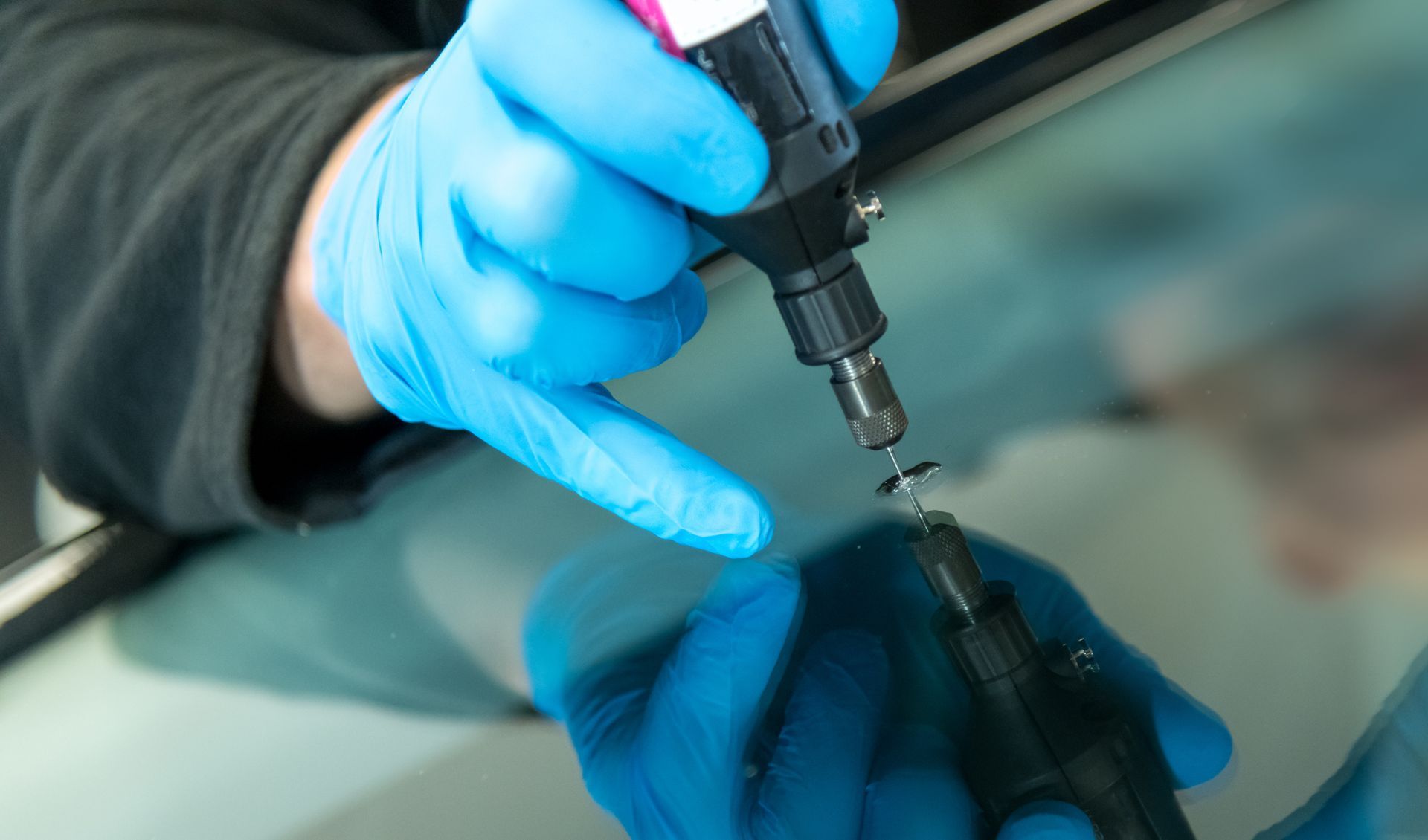
A chip that is repairable today may not be repairable next week. The repair window for resin injection — the fast, inexpensive fix that stops a chip from spreading — requires the void to be dry and free from contamination. Once moisture has sat inside a chip through multiple rain-freeze cycles, two things happen: the resin doesn't bond as cleanly to the contaminated glass surface, and the chip has often already propagated into a crack that exceeds the repairable threshold. The
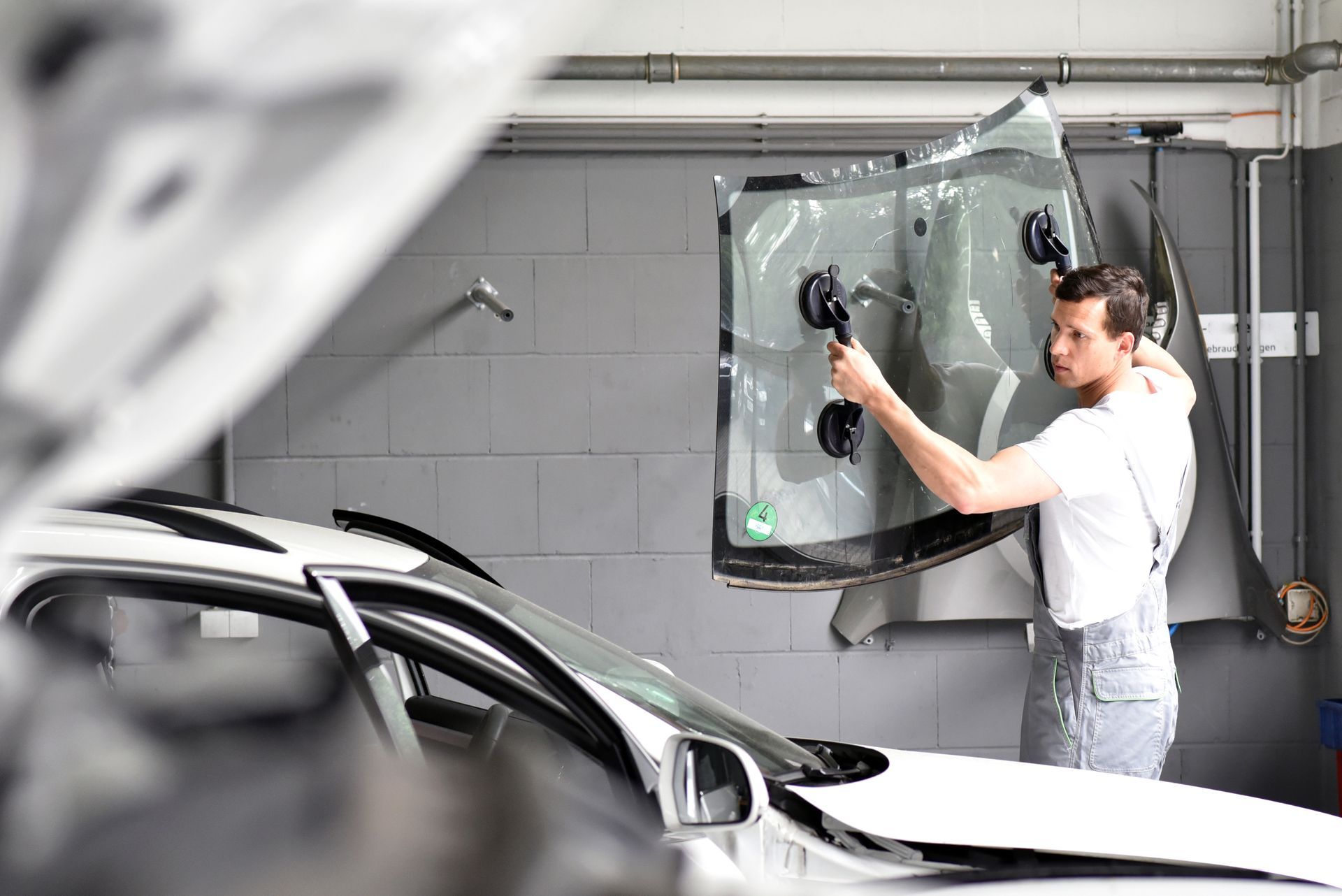
windshield chip repair vs replacement decision is binary: repair is fast and inexpensive, replacement is more involved and more costly.
The general rule: chips smaller than a quarter in diameter and cracks shorter than six inches that haven't been exposed to repeated moisture and freeze cycles are repairable. Once a crack extends past six inches, or once moisture contamination has compromised the void, you're looking at full replacement.
What Winter Driving Conditions Add to the Risk
Oregon and Washington winter driving adds two specific variables on top of the basic freeze-expansion mechanism.
Defroster use: blasting the windshield defroster on a cold morning creates rapid thermal expansion across the glass. At the point of an existing chip, that thermal stress concentrates and can turn a small chip into a crack before you leave the driveway. If you have a chip, use your defroster on a low or medium setting and allow the glass to warm gradually rather than hitting it with maximum heat.
Road spray and grit: winter roads in Oregon and Washington are regularly treated with sand and de-icing material. At highway speed, road spray containing sand and grit acts as a sandblasting agent on existing chip voids, widening the damage and introducing abrasive contamination that degrades the repair surface. Every highway mile driven on a chipped windshield in winter conditions increases the contamination risk.
Why November Is the Right Time — Not Spring
Drivers frequently plan to get a chip repaired "when the weather gets better." This is exactly backwards. The repair window is open now, in autumn and early winter, before the chip has been through a season of rain-freeze cycles. By spring, many chips that were repairable in November have turned into cracks requiring full windshield replacement.
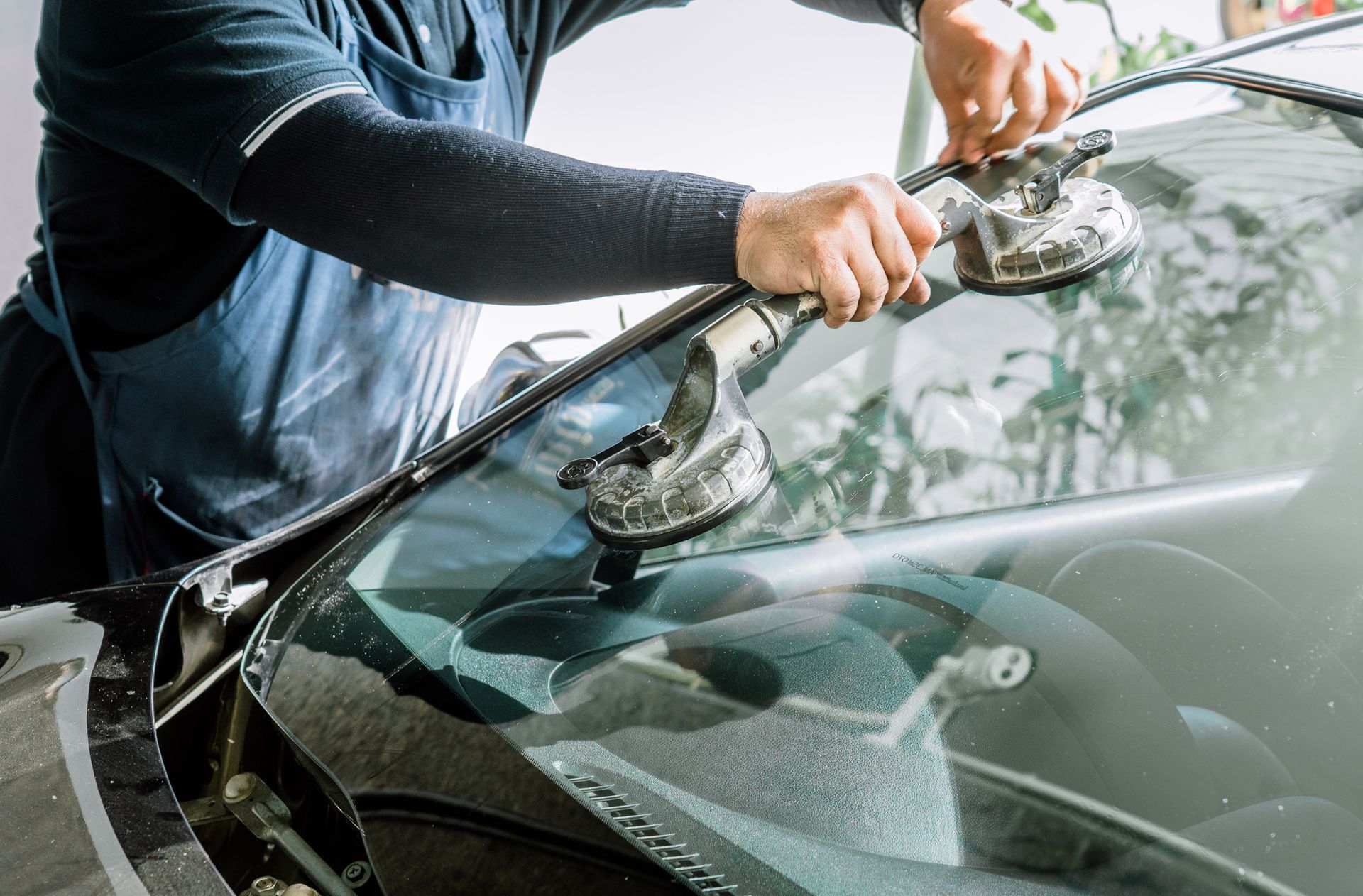
The cost difference is significant. A chip repair in November might cost you nothing under comprehensive insurance. The same damage left until March may require a full windshield replacement at $200 to $700+ — plus recalibration costs if your vehicle has ADAS systems.
Get Your Chip Fixed Before the First Frost
MS Glass Outlet provides fast
windshield chip repair and replacement across all of Oregon and Washington with same-day availability and direct insurance billing. Find your nearest service area.
Portland
Salem
Beaverton
Hillsboro
Seattle
Vancouver WA
Oregon:
(503) 650-5888 Washington:
(360) 750-7333