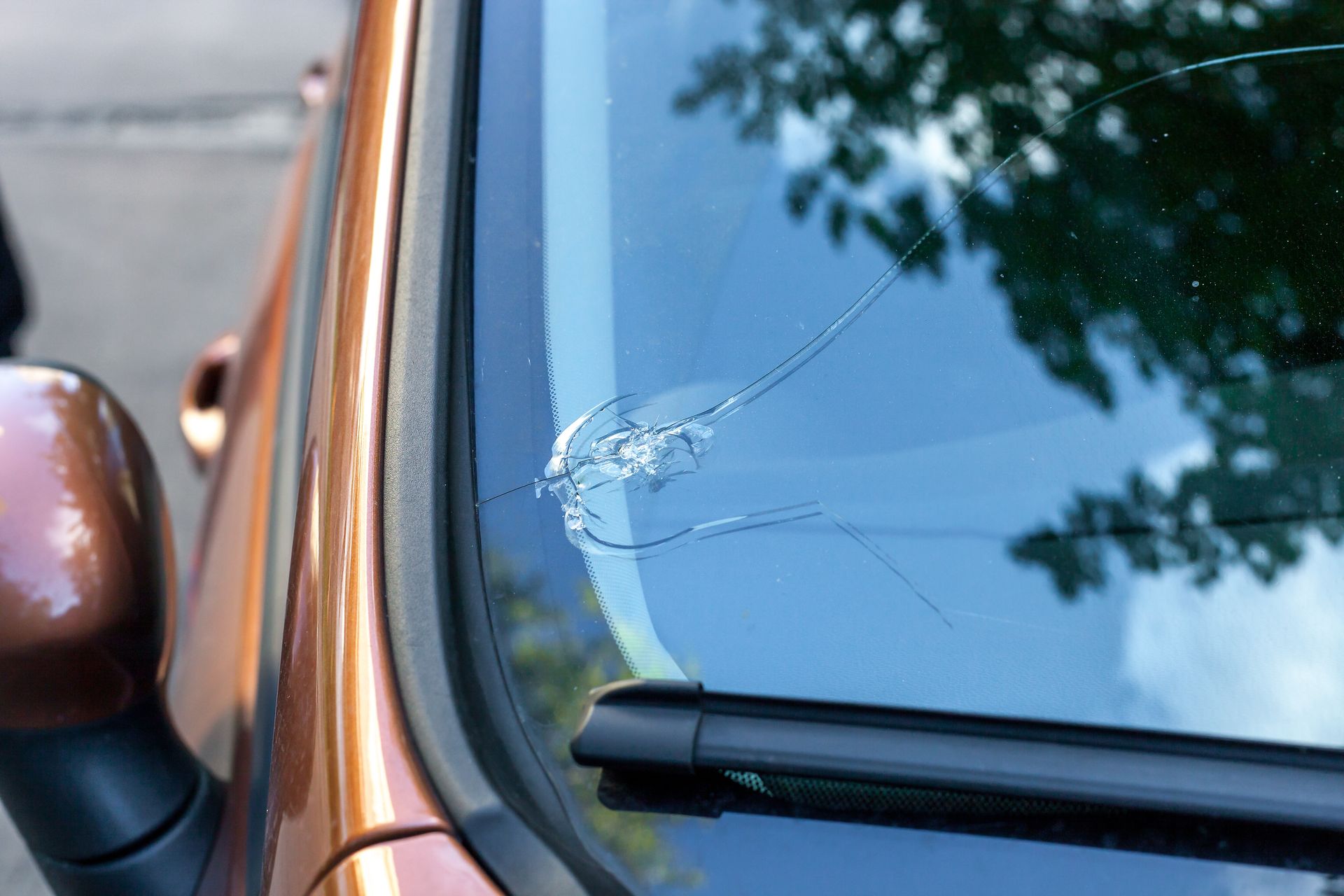
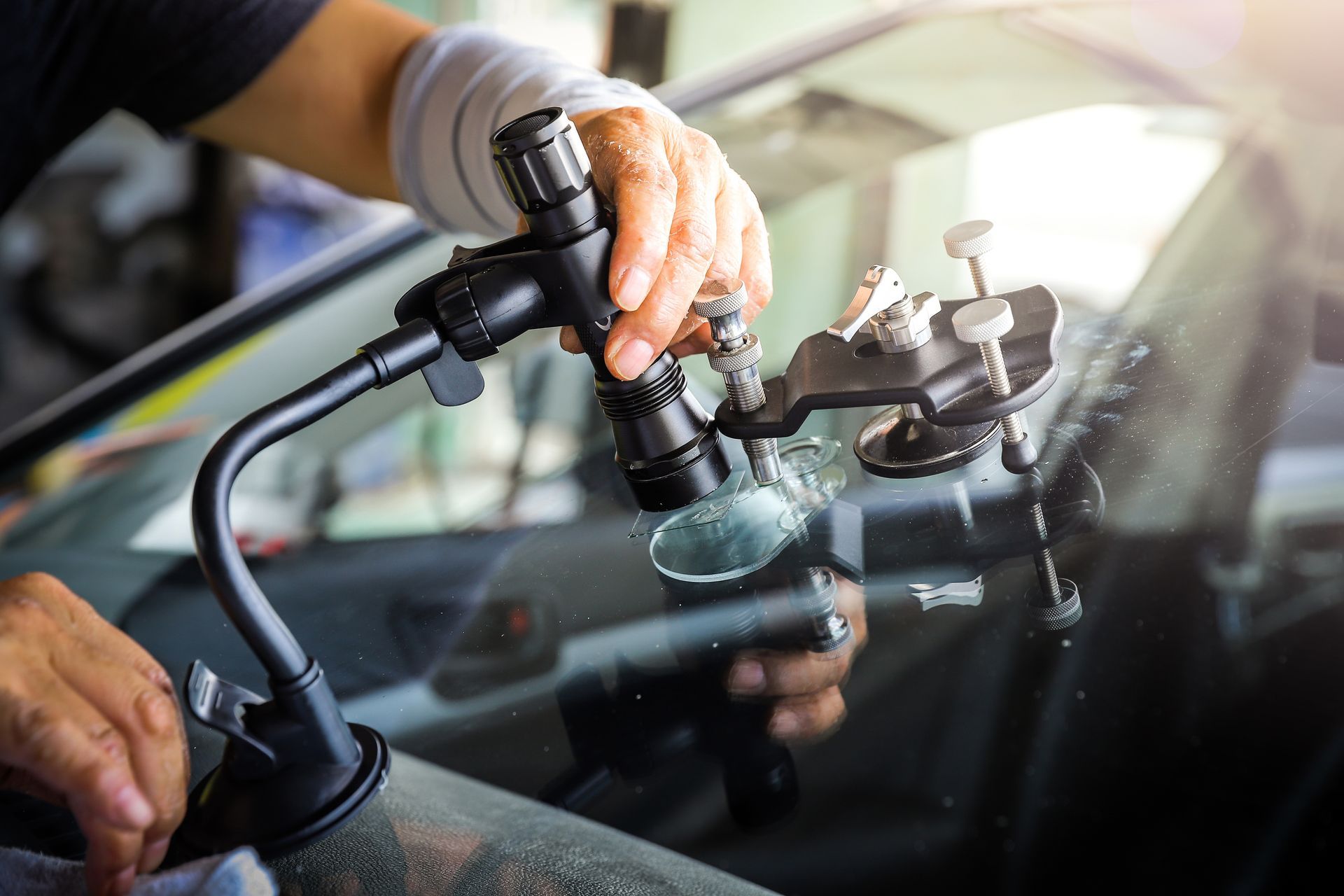
You just heard that sharp crack on the highway. There's a chip in your windshield, small, hopefully and your first instinct is either to ignore it or to immediately search for a repair shop. Both are reasonable reactions, but neither is quite right. What you do in the next 24 hours directly affects whether that chip stays repairable or turns into a crack that requires full windshield replacement.
In Oregon and Washington, where overnight temperatures drop and rain is a near-daily reality from October through April, the window between a repairable chip and an unrepairable crack is shorter than almost anywhere else in the country. Here's exactly what to do and what to avoid from the moment you notice the damage.
Step 1: Don't Use the Defroster
This is the most important thing most drivers don't know. Blasting hot air onto a cold windshield creates rapid thermal expansion across the glass. At the point of an existing chip, where the structural integrity is already compromised, that thermal stress radiates outward along the path of least resistance, turning a small chip into a crack in seconds.
If your windshield is fogged or frosted, use your air conditioning on a low setting to gradually bring the interior temperature up. Point vents away from the windshield initially. Give the glass time to warm slowly rather than hitting it with a sudden blast of heat. This applies in summer too, running the AC on full cold blast and then switching to hot heat creates the same stress in reverse.
Step 2: Protect the Chip From Rain and Moisture
Oregon and Washington rain is the second biggest enemy of an untreated chip after your defroster. Once moisture enters the chip void it begins weakening the structural bond at the crack edges. When overnight temperatures drop below freezing, that moisture expands as it freezes and pushes the crack outward from the inside. A chip that was repairable when you parked can be a three-inch crack by morning.
If rain is forecast and you can't get the chip repaired the same day, cover it temporarily. A small piece of clear packing tape pressed firmly over the chip keeps moisture out without trapping air or debris inside. This is a short-term measure only, the tape needs to come off before the repair so it doesn't contaminate the resin bond. Do not use duct tape, masking tape, or any tape with a thick adhesive residue.
Step 3: Avoid Car Washes Until the Chip Is Repaired
Automated car washes subject your windshield to high-pressure water jets, rotating brushes, and sudden temperature changes from warm water rinses followed by cold air dryers. For a chipped windshield, any one of these is enough to propagate the crack. High-pressure water forces moisture into the chip void at speed. Brush contact creates vibration across the glass surface. Temperature swings from warm wash water to cold outside air add thermal stress.
Hand washing is acceptable if you work gently and use lukewarm water. Keep direct water pressure away from the chip area. Avoid any cloth or sponge contact directly over the chip, debris caught in the void can scratch the repair surface and reduce resin adhesion.
Step 4: Check Your Insurance Before Booking
Before you call a repair shop, take two minutes to check your auto insurance policy. If you carry comprehensive coverage, windshield chip repair is almost certainly covered and in Oregon and Washington, many insurers waive the deductible entirely for chip repairs because repairing a chip costs them far less than paying for a full replacement claim later.
The process is simple: call your insurer or check your policy app, confirm you have comprehensive coverage, and ask whether chip repair is covered at no deductible. Most major carriers, State Farm, PEMCO, Farmers, GEICO, Allstate, have straightforward chip repair provisions. MS Glass Outlet works directly with all major Oregon and Washington carriers and handles the claim paperwork on your behalf. You may owe nothing out of pocket.
Step 5: Book the Repair — Today if Possible
A chip that qualifies for resin repair today may not qualify tomorrow. The repair window closes when: moisture contaminates the void, the chip spreads beyond six inches, the damage reaches the inner glass layer, or the chip extends within two inches of the windshield edge. Every hour of exposure to Oregon or Washington weather narrows your options. A
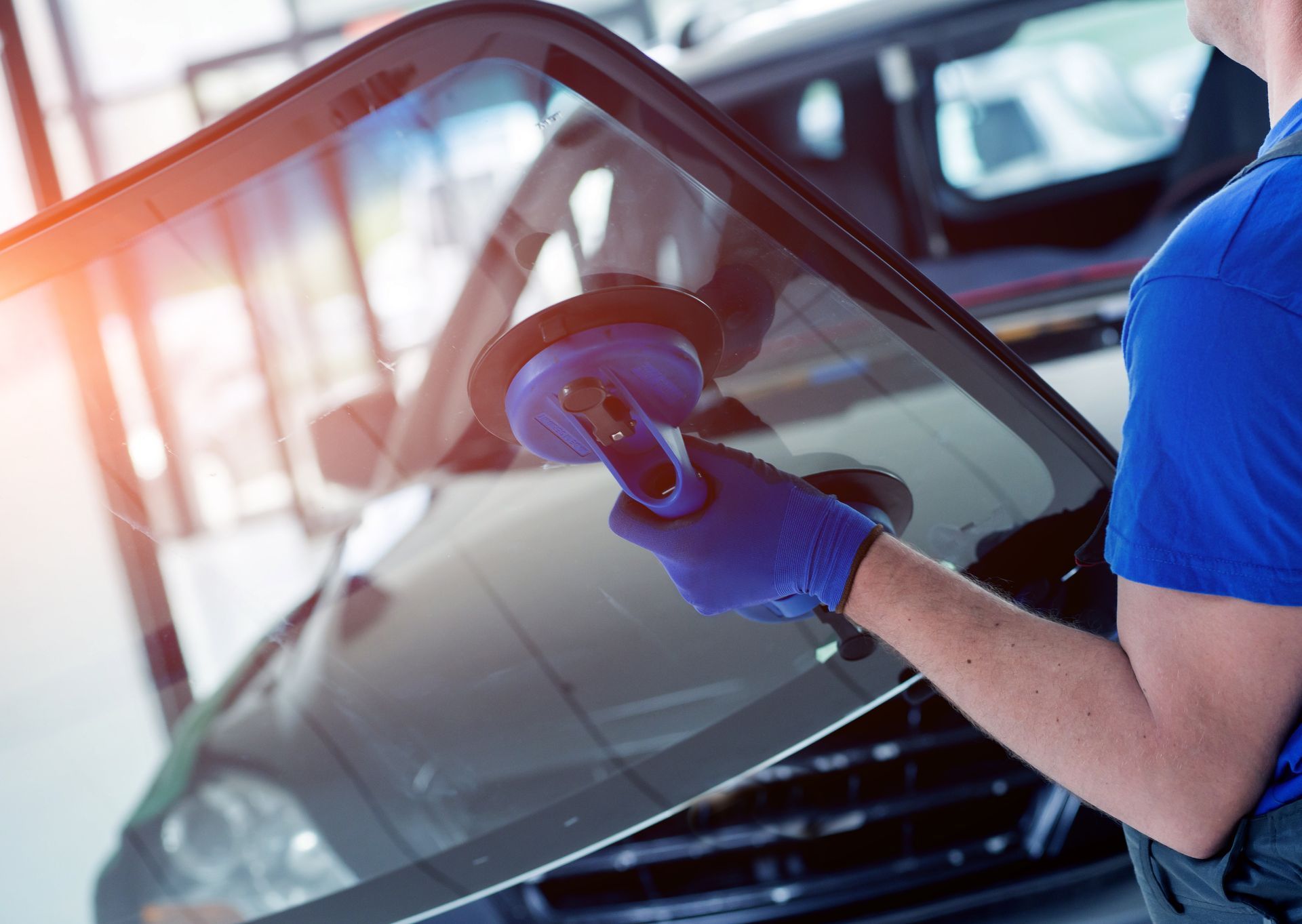
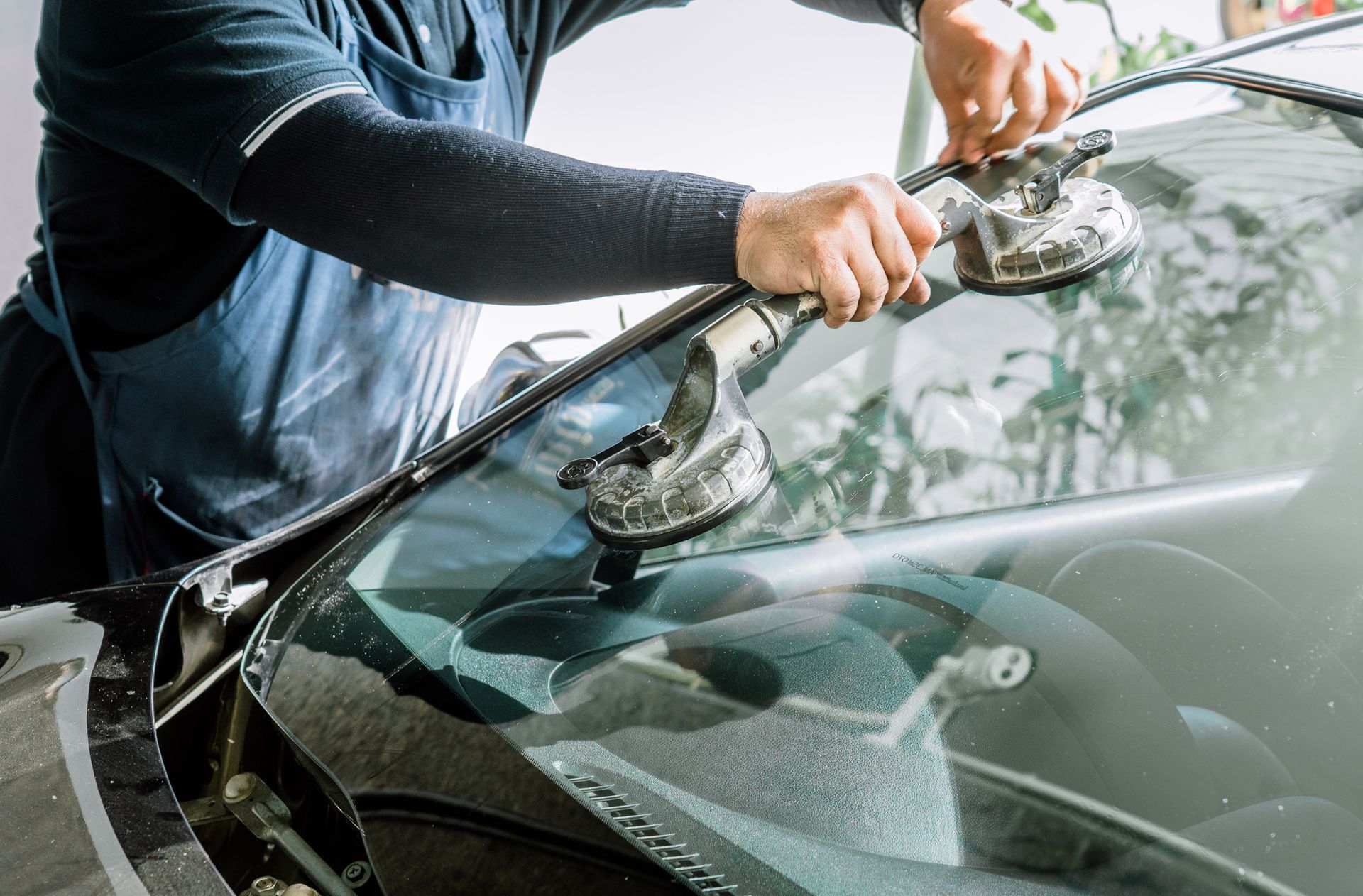
windshield chip repair takes 30 to 45 minutes, is often free under comprehensive insurance, and can be done at your location with mobile service. The cost and inconvenience of a repair today is a fraction of what full windshield replacement costs if you wait.
Why One Night Can Make the Difference in Oregon and Washington
Drivers in dry climates have more margin. A chip in Arizona might sit for weeks without changing. Oregon and Washington are different. The combination of frequent rain, Willamette Valley fog, and overnight temperatures that regularly dip below freezing from November through February creates a chip environment where the spread timeline is measured in hours, not days.
The specific risk window is the overnight period after a rainy day. Water has had hours to seep into the chip. When temperatures drop overnight, that water freezes and expands by roughly nine percent inside the void. By morning, what was a repairable chip is often a crack that requires full replacement.
Same-day repair or at a minimum same-day protection, is not overcautious advice in the Pacific Northwest. It's the practical response to a real climate risk.
Got a Chip? MS Glass Outlet Serves All of Oregon and Washington
Same-day appointments and mobile service are available across Portland, Salem, Beaverton, Hillsboro, Seattle, and Vancouver, WA. Visit our
windshield repair and replacement page to book or call us directly for a free estimate.
Oregon:
(503) 650-5888
Washington:
(360) 750-7333