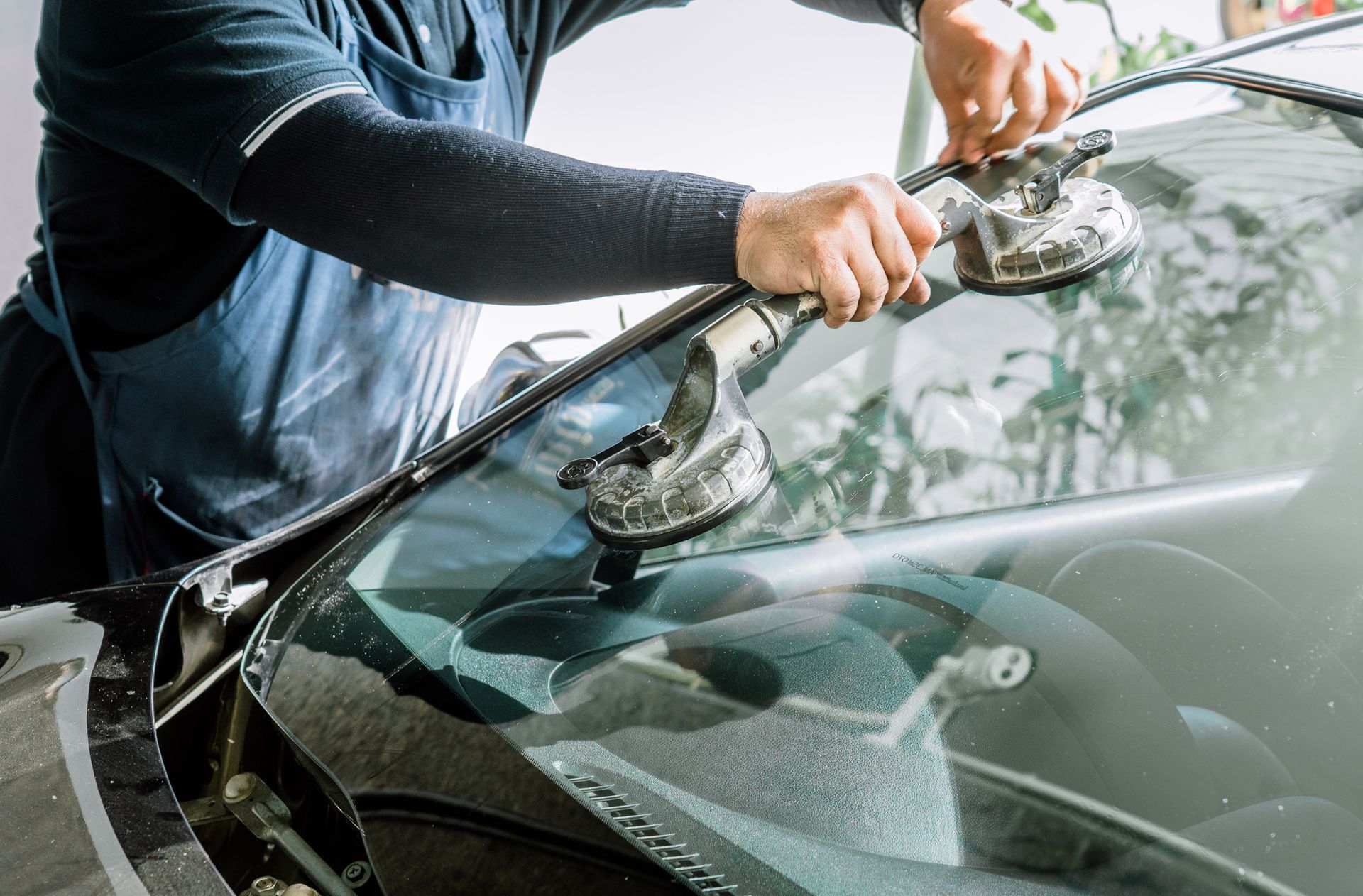
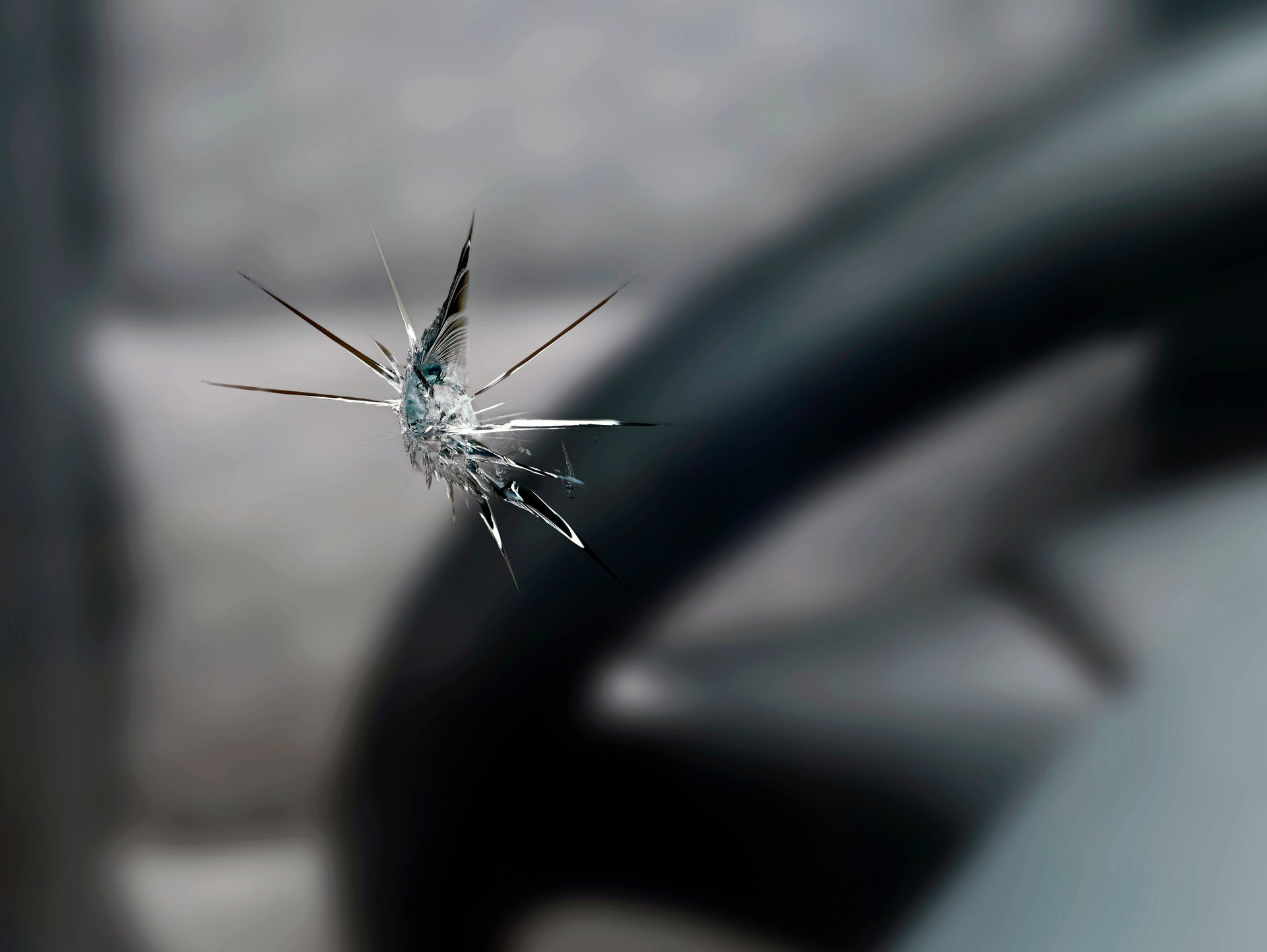
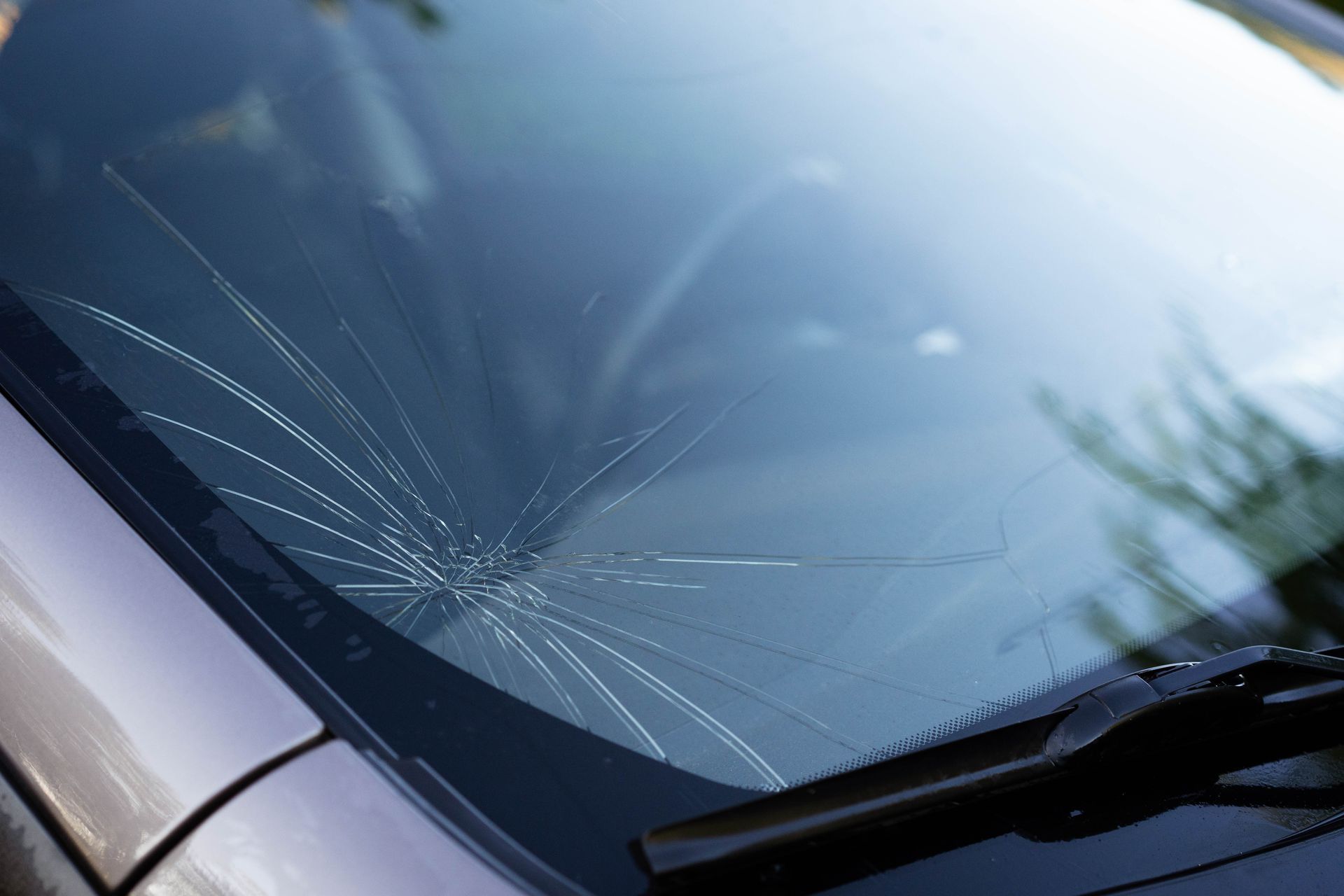
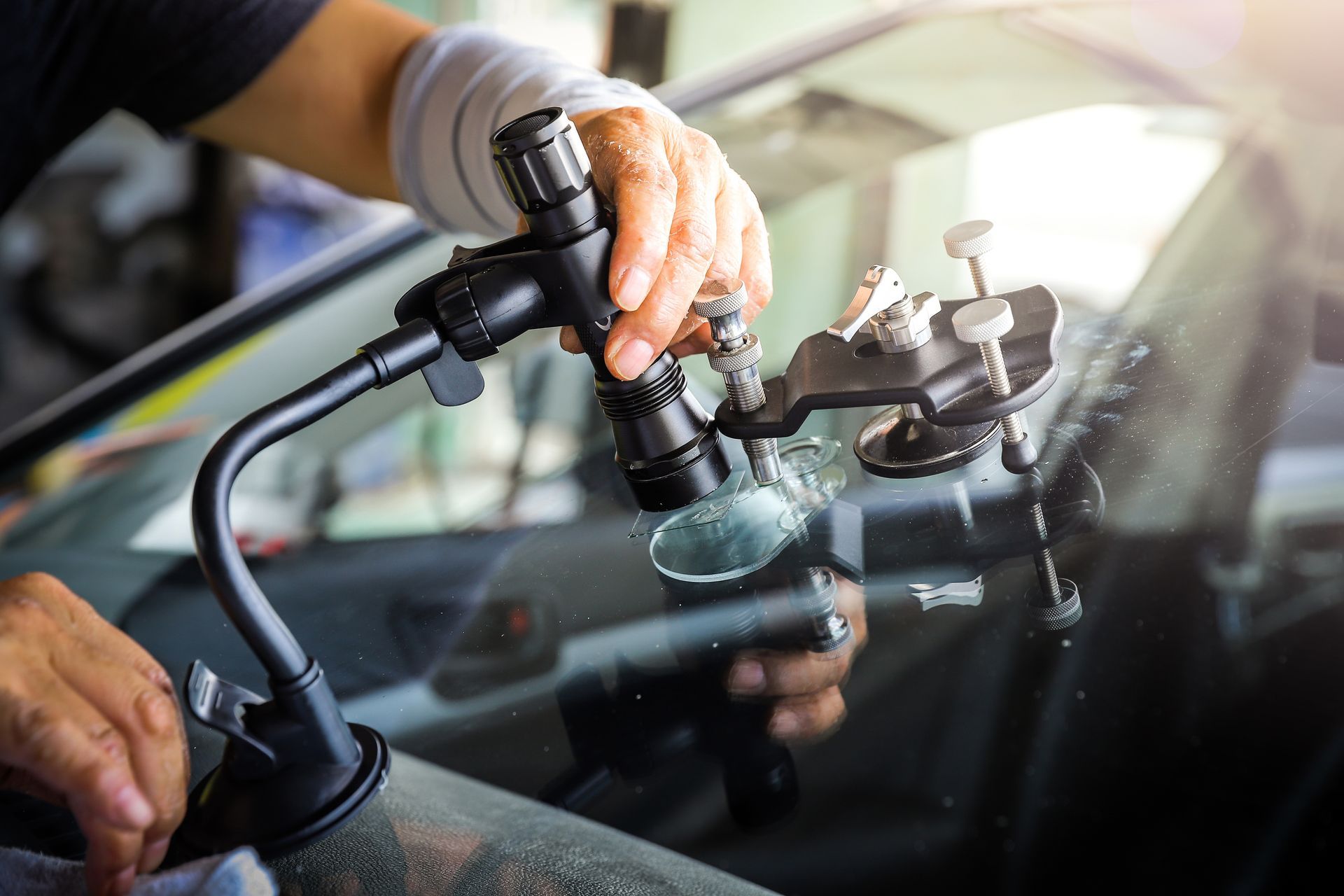
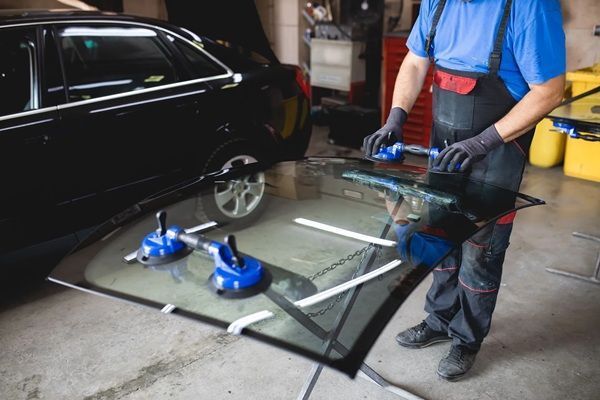
Your windshield does more than keep wind and rain out. On most vehicles built in the last several years, it’s also a structural mounting point for cameras and sensors that power your vehicle’s Advanced Driver Assistance Systems, ADAS. Lane keep assist, automatic emergency braking, adaptive cruise control, forward collision warning, and rain-sensing wipers all rely on sensors that are either mounted to or calibrated against the windshield glass. When you replace that glass, those systems need to be recalibrated. If they aren’t, they may not work correctly, or at all.
This is one of the most misunderstood parts of the windshield replacement process, and one of the most consequential. Here’s what you need to know before booking your replacement, and why
professional ADAS windshield calibration is not an optional add-on for modern vehicles.
What Is ADAS and Why Does It Depend on Your Windshield?
ADAS stands for Advanced Driver Assistance Systems, the suite of safety technologies that have become standard on most new vehicles since roughly 2016. The systems vary by manufacturer and trim level, but they typically include:
- Forward collision warning — alerts you when the vehicle ahead is too close
- Automatic emergency braking — applies the brakes if a collision is imminent
-
Lane departure warning and lane keep assist — detects lane markings and corrects drift
- Adaptive cruise control — maintains a set following distance from the vehicle ahead
-
Rain-sensing wipers — automatically activates wipers based on moisture detection
- Traffic sign recognition — reads speed limit and road signs
The cameras and sensors that power these systems are almost always mounted at the top of the windshield, directly behind the glass. Some are clip-mounted to a bracket; others are bonded directly. Either way, their field of view and calibration angle is set with extreme precision, tolerances measured in fractions of a degree.
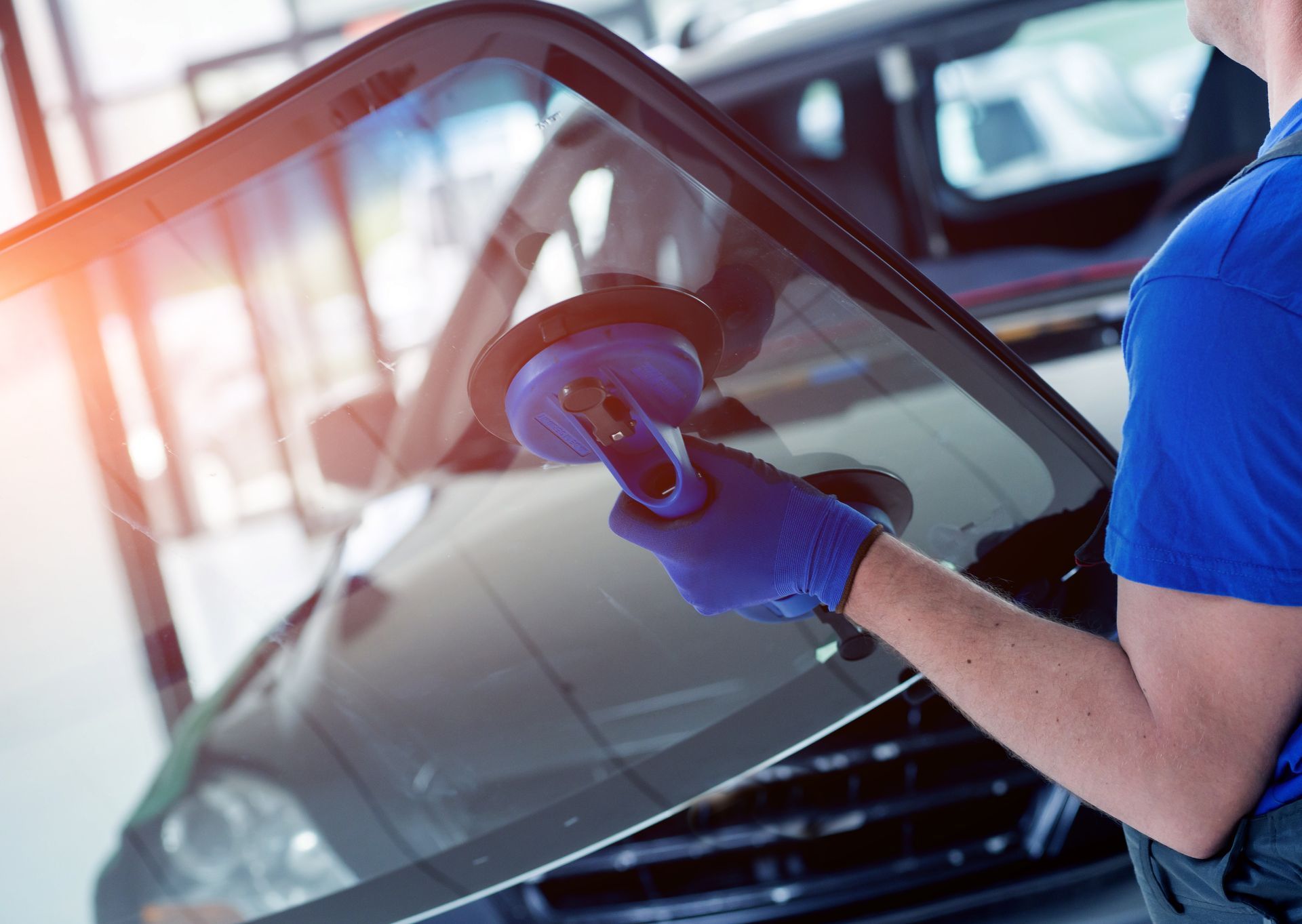
When you replace the windshield, even a perfectly installed new piece of glass sits in a slightly different position than the original. The glass itself may have marginally different optical properties. The mounting bracket is removed and reinstalled. Any of these variables can shift the camera’s effective viewing angle enough to compromise the system’s accuracy.
What Happens If You Skip Calibration?
This is the question most drivers don’t think to ask until after the fact. The consequences of skipping ADAS recalibration range from mildly inconvenient to genuinely dangerous.
- Lane keep assist may drift incorrectly, nudging you toward lane lines rather than away from them
- Automatic emergency braking may trigger late, too early, or not at all
- Adaptive cruise control may follow the wrong vehicle or misjudge following distance
- Forward collision warning may issue false alerts, or no alert when one is needed
- Rain-sensing wipers may activate at the wrong threshold or fail to respond
In most cases, an uncalibrated ADAS system won’t show an obvious dashboard warning. The system may appear to function normally while actually operating outside its intended parameters. You won’t know there’s a problem until the moment you need the system to work correctly, which is typically not a moment you want to discover a fault.
Some manufacturers’ vehicles will display a warning light after replacement indicating that calibration is required. Many won’t. Do not assume that the absence of a warning means the system is calibrated correctly.
Which Vehicles Require ADAS Calibration After Windshield Replacement?
The short answer: most vehicles manufactured since 2016 with any of the systems listed above. The longer answer is that requirements vary by make, model, and year. As a general guide:
- Toyota / Lexus — Pre-Collision System (PCS) with Safety Sense requires static or dynamic calibration after replacement
- Honda / Acura — Honda Sensing and AcuraWatch systems require calibration
- Subaru — EyeSight stereo camera system is particularly sensitive to glass position and always requires calibration
- Tesla — Autopilot and Full Self-Driving cameras are mounted behind the windshield and require recalibration
- Ford / Lincoln — Co-Pilot360 and related systems require calibration on most trims
- GM (Chevrolet, GMC, Buick, Cadillac) — Super Cruise and standard ADAS suites require calibration
- BMW / Mercedes-Benz / Audi / Volkswagen — virtually all models with cameras behind the windshield require static calibration
If you’re unsure whether your vehicle requires recalibration, the safest assumption is that it does. We check your vehicle’s specific requirements at the time of booking using VIN-based reference data, so you know before your appointment what’s needed.
Static vs. Dynamic Calibration: What’s the Difference?
There are two types of ADAS calibration, and which one your vehicle requires depends on the manufacturer and the system.
Static calibration
is performed in a controlled indoor environment. The vehicle is parked on a level surface, and a calibration target board is placed at a precise distance and angle in front of the vehicle. The technician uses manufacturer-approved software to command the camera to align to the target. This process typically takes 30–60 minutes and is required for many front-facing camera systems including Toyota Safety Sense and Subaru EyeSight.
Dynamic calibration
is performed by driving the vehicle at a set speed on a road with clearly visible lane markings. The camera recalibrates itself against the real-world environment as the vehicle moves. Some manufacturers require a combination of both types for full recalibration.
MS Glass Outlet performs both static and dynamic calibration at our Portland metro location. We confirm at booking which type your vehicle requires so there are no surprises at the time of service.
Frequently Asked Questions About ADAS Calibration