It's the question that stops most Oregon drivers from picking up the phone. You have a chip in your windshield, your insurance probably covers it, but you're not sure whether filing a claim is going to cost you more in future premiums than the repair is worth today. The concern is legitimate — but for windshield claims in Oregon, the answer is more reassuring than most drivers expect.
The Short Answer: Windshield Claims Rarely Raise Oregon Rates
In Oregon, windshield repair and replacement claims fall under comprehensive coverage — not collision or liability. This distinction matters significantly for how insurers treat the claim at renewal.
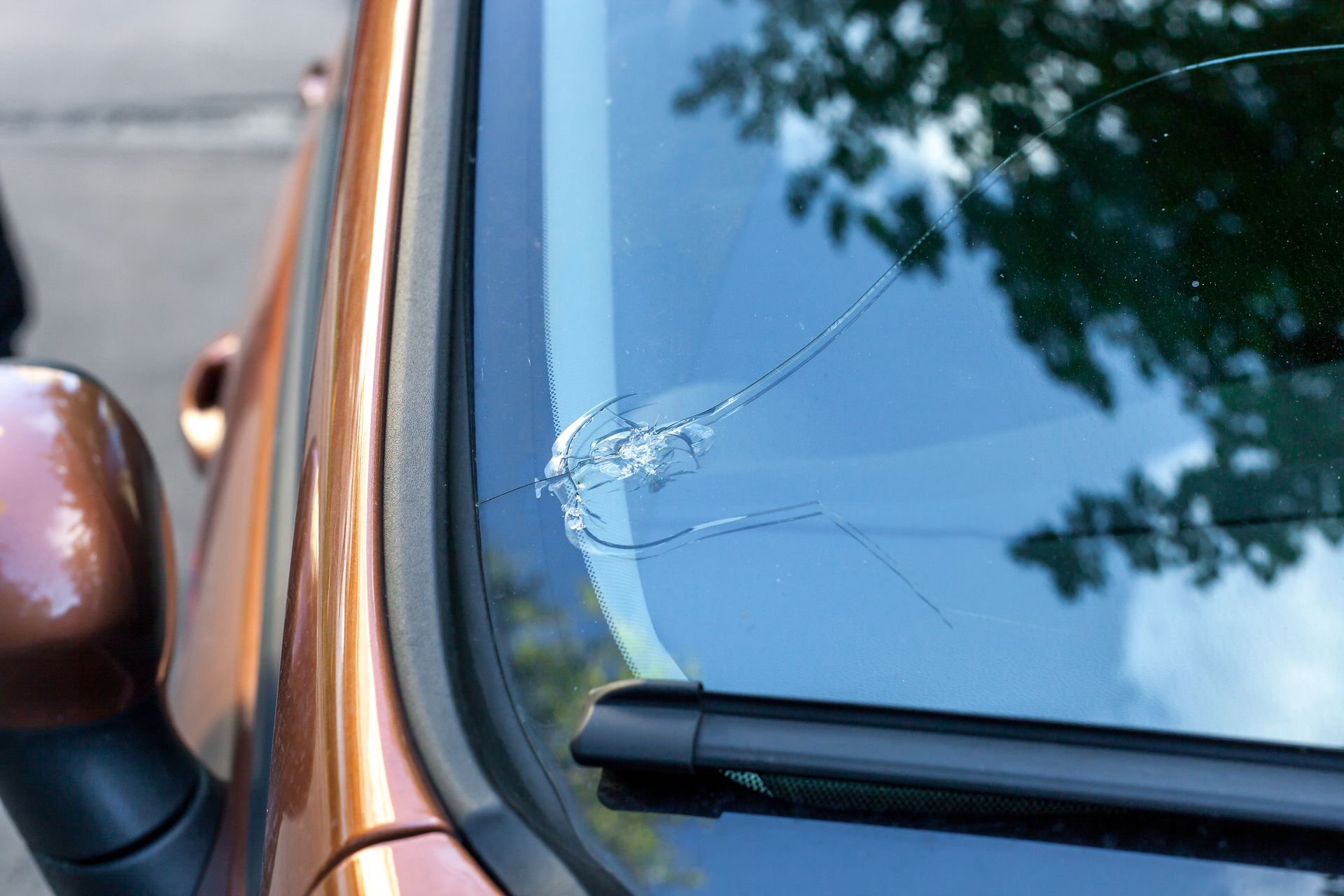
Comprehensive claims cover damage that happens to your vehicle outside of a collision: weather, vandalism, falling objects, and road debris. A rock chip from I-5 or Highway 26 is exactly this type of event — it's not an at-fault incident, and Oregon's major insurers generally do not treat it as one. Most Oregon comprehensive claims, including glass claims, do not trigger a premium surcharge at renewal.
That said, the precise effect on your rate depends on three factors: your specific insurer, your policy tier, and how many comprehensive claims you've filed in a rolling 36-month window. One glass claim in three years is almost universally rate-neutral. Multiple comprehensive claims in a short period — a glass claim, a hail claim, and a theft claim in the same policy year, for example — may draw scrutiny at renewal even though none of the incidents were your fault.
Oregon Law and What It Does — and Doesn't — Require
Oregon does not mandate zero-deductible windshield coverage, unlike a handful of states that require insurers to waive the deductible for glass repairs. In Oregon, your windshield claim is subject to your comprehensive deductible unless your policy includes a specific glass waiver or endorsement.
What Oregon does require is that insurers treat comprehensive and collision claims differently when calculating renewal premiums. Insurers licensed in Oregon must follow the state's underwriting and rating rules, which generally prohibit surcharging drivers for comprehensive losses where the driver had no fault. This provides meaningful protection — you can't be surcharged for a chip from a truck on I-84 the way you could be surcharged for a collision you caused.
However, insurers retain the right to non-renew a policy if the overall claim frequency — regardless of fault — indicates elevated risk. This is a rare outcome for a single glass claim, but it's worth understanding the distinction between a surcharge (a rate increase on a renewed policy) and non-renewal (the insurer declining to renew at all). The former is uncommon for a single glass claim; the latter is very uncommon and would typically require a pattern of claims.
When Filing Makes Financial Sense — and When It Doesn't
The claim decision comes down to simple arithmetic. Compare your out-of-pocket cost against your deductible and any potential rate effect.
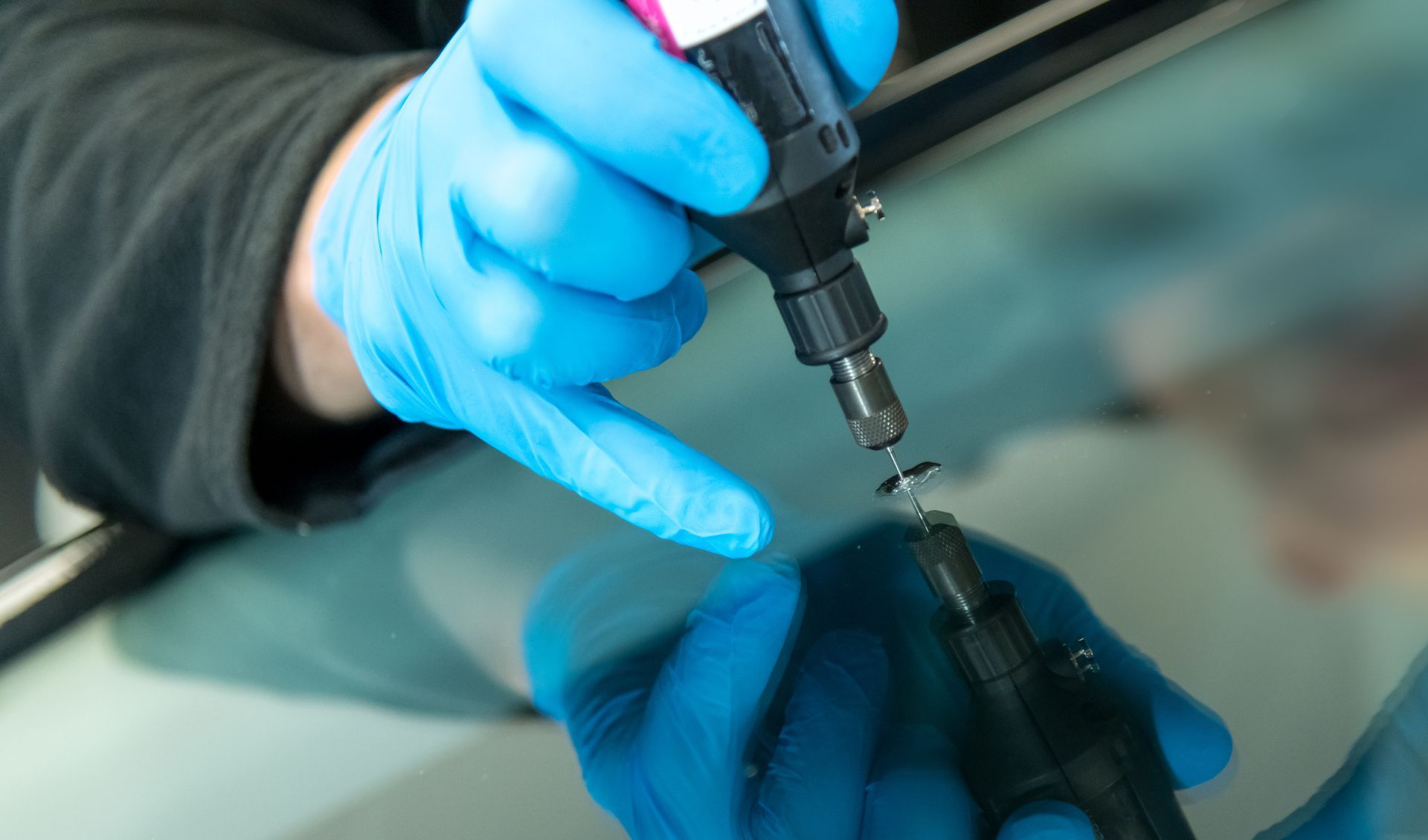
Chip repair ($60–$150 out of pocket): Almost always worth filing — many Oregon insurers waive the deductible entirely for chip repairs, bringing your cost to $0. Even if your deductible applies, the repair cost is typically less than the deductible, so you may pay out of pocket regardless. Full replacement ($200–$700+ out of pocket): Worth filing if the total cost exceeds your deductible. If your deductible is $500 and the replacement costs $280, paying out of pocket is cheaper than filing.
The calculus changes if you've already filed a comprehensive claim in the past 12 months. A second claim in the same policy year is worth a conversation with your agent before filing — not because the rate impact is guaranteed, but because it's worth confirming your specific insurer's approach before you proceed.
Does Chip Repair vs Full Replacement Affect the Rate Impact?
Yes and this is one of the most practical reasons to get a chip repaired before it becomes a crack. A chip repair claim is typically smaller in dollar value and easier for an insurer to process than a full replacement claim. While both are comprehensive claims, insurers who do factor glass claim frequency into renewal pricing tend to weight larger claims more heavily.
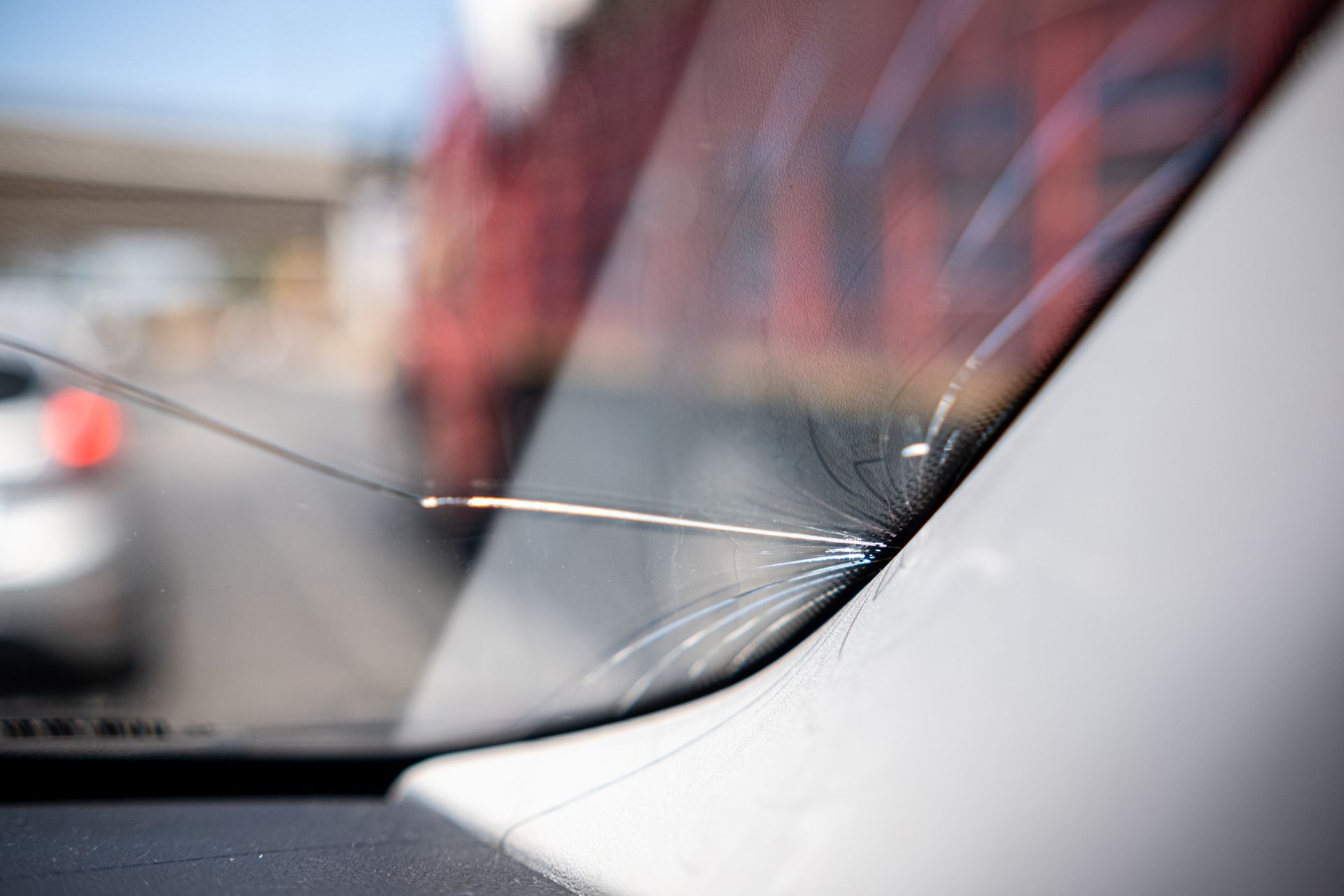
Getting a chip repaired promptly — before Oregon's rain and freeze cycle turns it into a crack requiring full replacement — is not just cheaper in the short term. It's also the lower-risk option from an insurance perspective. A chip repair claim, often at $0 to you after the deductible waiver, is as low-impact as a glass claim can be.
What to Do Before You File in Oregon
• Call your insurer or check your app — confirm you have comprehensive coverage and ask specifically whether chip repair is covered with no deductible
• Ask your agent whether a glass claim will affect your renewal rate under your specific policy tier
• Get a repair or replacement quote first — if the cost is below your deductible, filing makes no financial sense
• Let the shop handle the claim — MS Glass Outlet files directly with all major Oregon carriers and advises you on whether filing is worth it before any work begins
For Oregon drivers in Portland, Salem, Beaverton, Hillsboro, or Milwaukie, our
auto claims support team handles the entire process — from coverage confirmation to billing — so you don't have to navigate it alone.
Book Your Assessment — Oregon Markets
MS Glass Outlet serves Oregon drivers across
Portland ·
Salem
·
Beaverton ·
Hillsboro ·
Milwaukie with same-day availability, direct insurance billing, and free pre-claim advice.
✉ Oregon:
(503) 650-5888 — Free estimates · Direct insurance billing · Same-day available