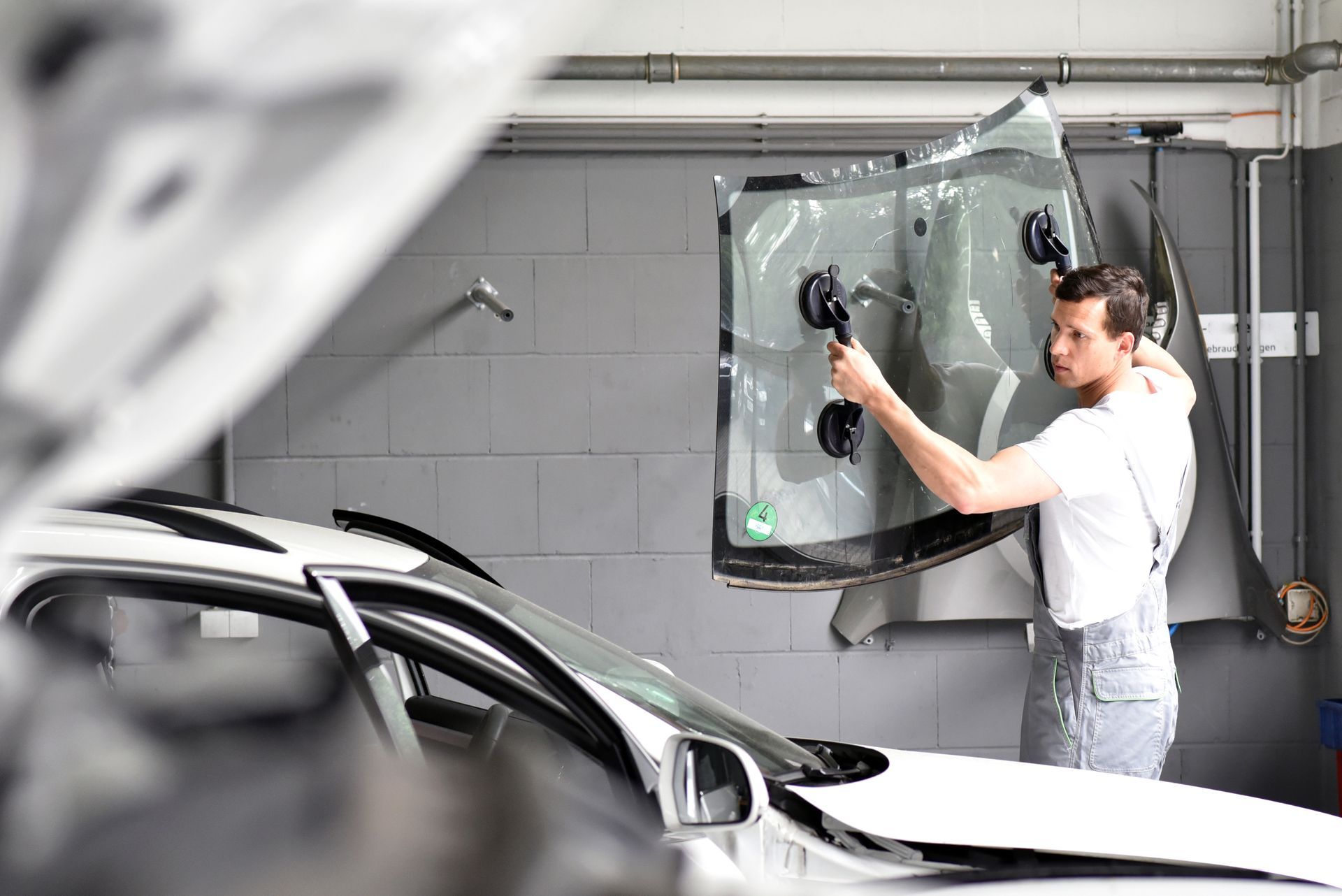
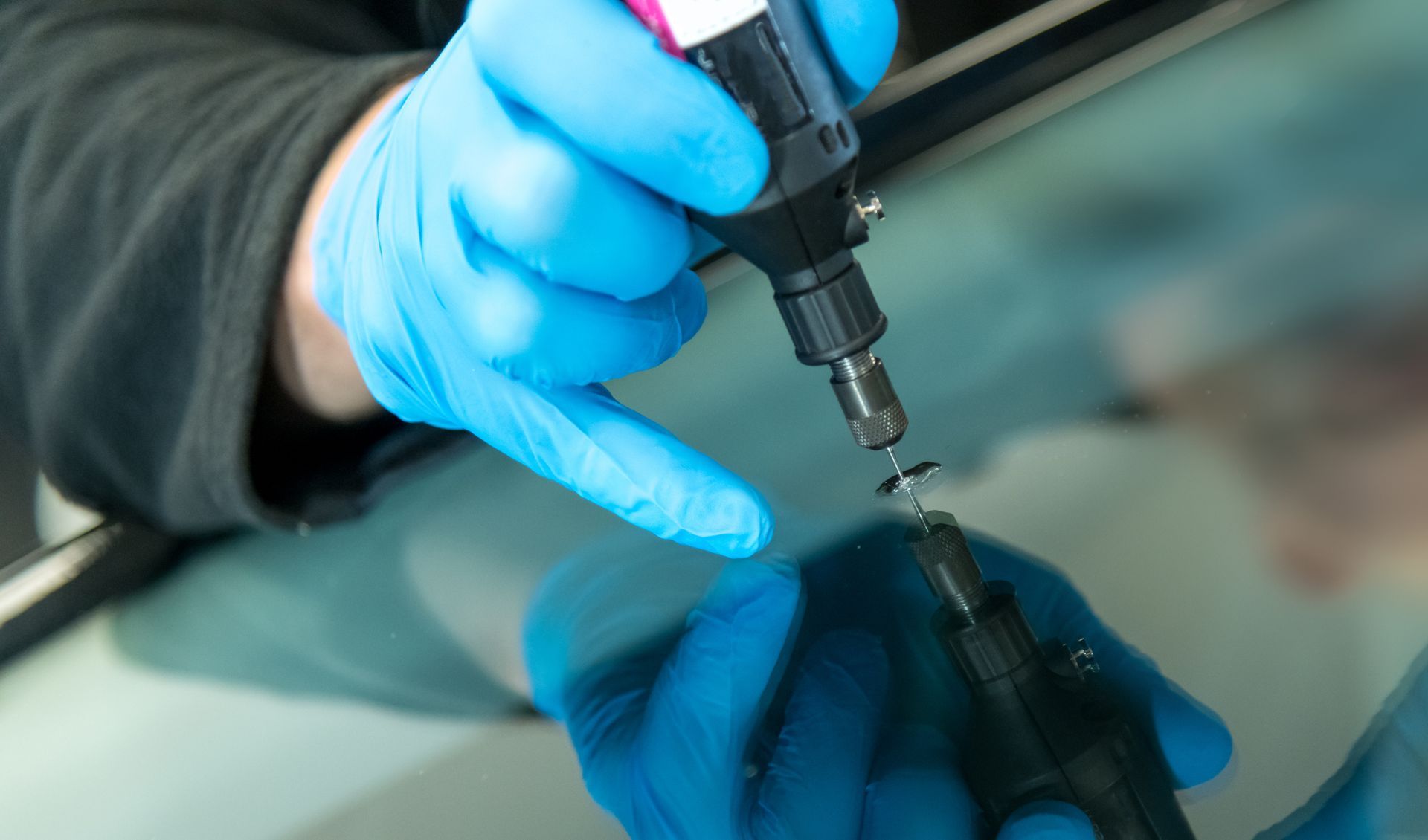
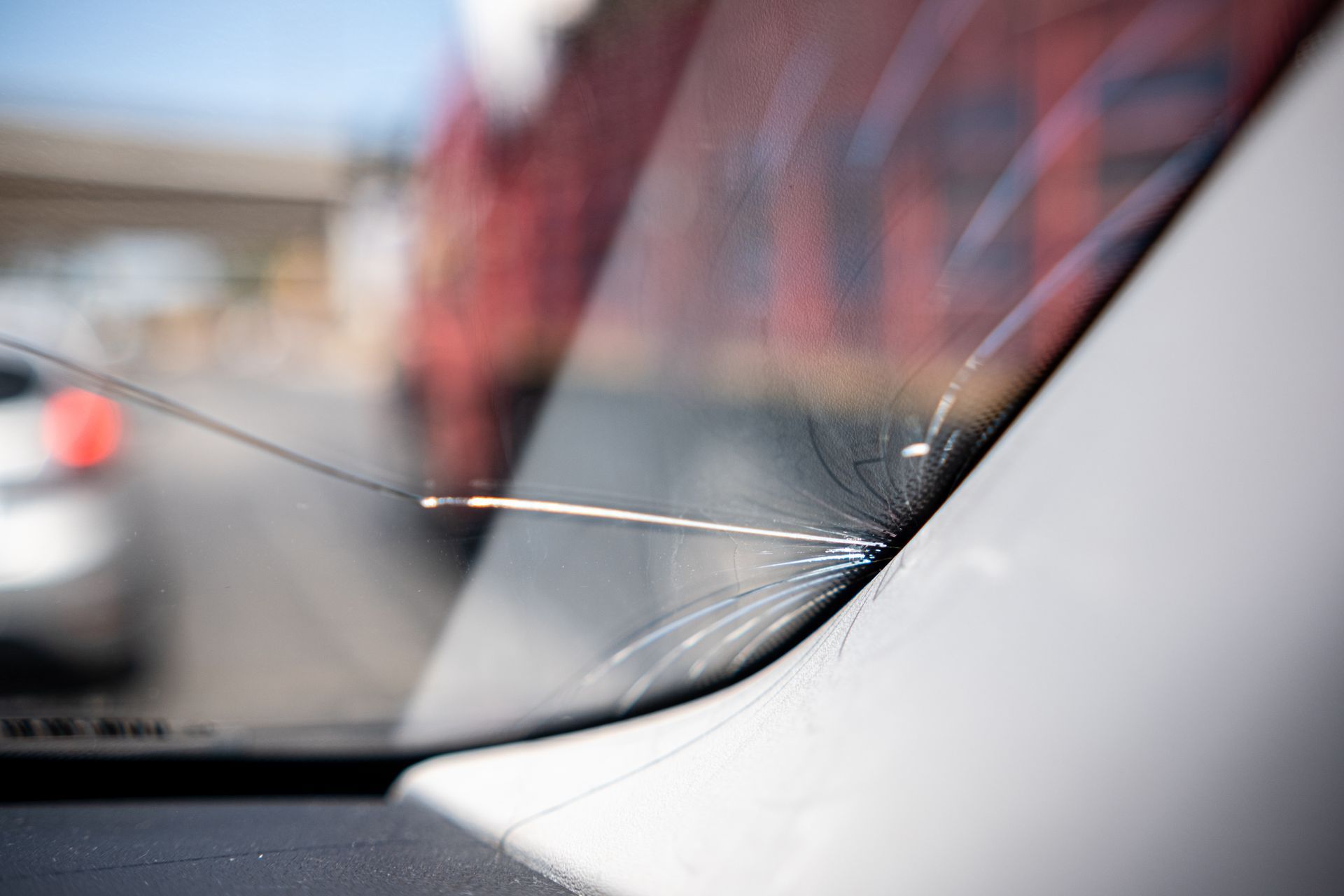
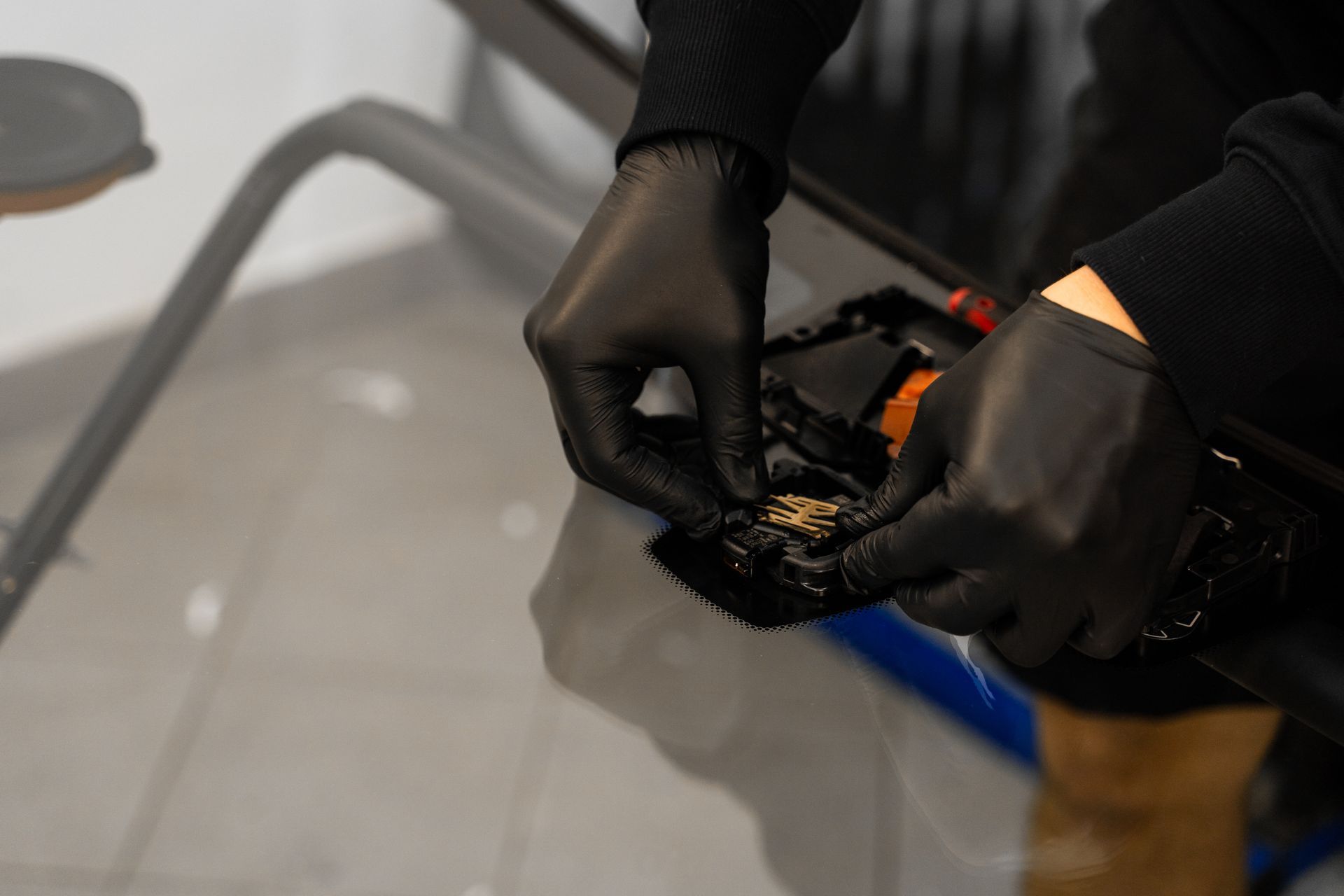
The automotive industry has grown at astonishing levels throughout its history — and it continues to change. Carmakers are innovating every day to ensure consumers have the best and safest machines available for all their traveling needs. But rather than focusing on the entire automotive industry, we'll take a look at auto glass and what the future holds for it. Let's explore the future of auto glass below.
Safety Remains a Top Priority
Keeping drivers safe behind the wheel has been — and will continue to be — a primary focus in the automotive industry, and particularly with auto glass. Specifically, manufacturers are working on making auto glass stronger and thinner.
Rather than sticking with conventional manufacturing and tempering methods, auto glass crafters are switching to a chemical-based tempering process to strengthen the glass and enhance its safety features. Likewise, they're making glass thinner, which in turn makes vehicles more fuel-efficient. Consumers are purchasing more vehicles as a result, which then drives a higher need for more advanced auto glass.
And if you've opted for a vehicle with a sunroof, you can expect to see more safety applications in this feature. Since its creation in the 1930s, society considers sunroofs to be a rare, luxury feature for cars. Today, however, they're a more standard component on vehicles. And with the rising concerns over skin health and safety, sunroofs will start focusing more on reflecting sunlight and UV rays to reduce consumers' risk for sun-related health concerns.
Auto Glass on Vehicles Is Getting Bigger
Within the vein of safer driving, auto glass is also getting larger to accommodate visibility and protection. Thanks to Tesla's 2015 revelation of panoramic glass, this trend has skyrocketed over the last near-decade. But this application is no longer restricted to luxury vehicles. While panoramic glass currently seems dedicated to personal vehicles, it sparked a fire in windshield innovation.
Take recreational vehicles, for example. In 2006, RVs changed the type of glass for windshields to one-piece fixtures to enhance visibility and safety.
In recent years, auto glass for windows has also started getting bigger. In fact, many reports indicate that car windows are one 20% larger because of advances in other automotive technology and how vehicles meet federal safety requirements.
More People Need Auto Glass
Cars today are more fuel-efficient than their counterparts were decades ago. And car ownership is increasingly common. With that increased demand for cars comes a greater need for more auto glass. As more people get back on the roads during the warmer season, there's also an increased risk for glass damage, which directly creates a greater need for auto glass repair and replacement services.
Heating Technology Is Changing Drastically
Windshield glass has traditionally been heated through radiation. But his process creates uneven temperatures along the structure because certain portions, such as screen-printed areas, more easily absorb the radiation than the clear glass.
Fortunately, a convection style now heats glass, and that leads the glass to heat more quickly and evenly. The convection heating process allows the glass to reach nearly 170 degrees Fahrenheit per minute, allowing glass manufacturers to produce more high-quality glass while saving time and energy.
This lack of temperature discrepancies that result from convection heating also helps stop the glass from breaking during the heating process, and it also prevents burn lines from impeding a vehicle operator's vision from behind the wheel.
Convection heating also saves manufacturers millions of dollars in unnecessary expenses. It also allows consumers more access to affordable auto glass since it doesn't break as often during the manufacturing process.
Smart Glass Will Make a Larger Appearance
As mentioned above, sunroofs are incorporating technology to protect vehicle occupants from harmful UV rays. This feature is only one aspect of smart glass that's making a larger appearance in the automotive industry.
Other smart glass features include displays on the side mirrors that warn drivers of approaching vehicles. Likewise, digital displays will project precautionary messages or important messages directly onto the windshield, allowing drivers to continue driving safely and access controls easily.
Global Markets Are Expanding
The U.S. alone sells nearly 20 million vehicles annually, and the automotive industry is projecting a compounded annual growth of nearly 5% by 2025.
Globally, though, the auto industry is expanding highest in Asia. India, China, and Japan have become central hubs for automotive growth in the region, and that trend is only expected to continue rising in the coming years. So far, the industry has seen a promising expansion in the Philippines, Indonesia, and Vietnam.
Regardless of how quickly the automotive industry is growing and how that impacts windshields, windows, and other auto glass, you can rely on the team at MS Glass Outlet to help you with your current auto glass needs.
We rely on experienced technicians so you have peace of mind knowing we'll care for any glass issue and resolve it expertly. Call us for any auto glass needs, including rock chip repair and windshield replacement.