The body content of your post goes here. To edit this text, click on it and delete this default text and start typing your own or paste your own from a different source.Car ownership presents a wide range of challenges and chores, from regular preventative maintenance tasks to engine, transmission, or electrical troubleshooting and repair. While many of these issues occur under the hood or chassis, you should also understand some key challenges involving your windshield and window glass.
Windshields and side or rear windows may bear a superficial resemblance to each other, but they differ in some important ways as well. The more you understand the characteristics of these different components, the more wisely you can make installation, repair, and replacement decisions. Take a look at the following four key points.
1. Impact Resistance
Today's vehicles typically include two types of safety glass: laminated glass and tempered glass. Automakers use laminated glass for windshields and more commonly employ tempered glass for the side and rear windows. However, some automakers have switched to using laminated glass for windows as well.
The lamination process involves multiple layers or materials. Two large inner and outer sheets of glass sandwich an inner layer of flexible plastic. The heating and pressure that meld these layers together make the windshield much stronger than it would be without lamination. If it does break, the plastic layer holds the shards in place.
The tempering process makes glass panels stronger without incorporating multiple layers. Instead, chemicals, pressure, and heat give the glass increased impact resistance. Unlike laminated glass, however, tempered glass will still shatter when exposed to a forceful impact.
2. UV Protection
Your car's windshield protects your safety by providing more than just impact protection. The laminated plastic in modern windshields also filters out the vast majority of the sun's ultraviolet (UV) rays, a major factor in premature skin aging, skin cancer, sunburn, and eye problems such as cataracts.
Your laminated windshield should protect you against
98 percent
of incoming UVA radiation (that kind that causes long-term damage) and 100 percent of the UVB rays that produce sunburn. At the same time, the combination of laminated glass and strategic tinting helps you feel cooler and avoid unnecessary glare.
Unfortunately, window glass can't provide this same degree of protection. The tempered glass in many manufacturers' side and rear windows can only filter out about 65 percent of incoming UV rays. Not surprisingly, researchers have found that long-distance drivers develop cancer on the left side of the face as opposed to the right side.
Even if your car uses tempered glass for its side and rear windows, you can still reduce your UV risk by asking for tinted windows at the time of purchase or adding window tinting at a later date. Aftermarket tints take the form of colored plastic films applied to the glass. Make sure to obey your state's laws regarding tinted windows.
3. Common Types of Damage
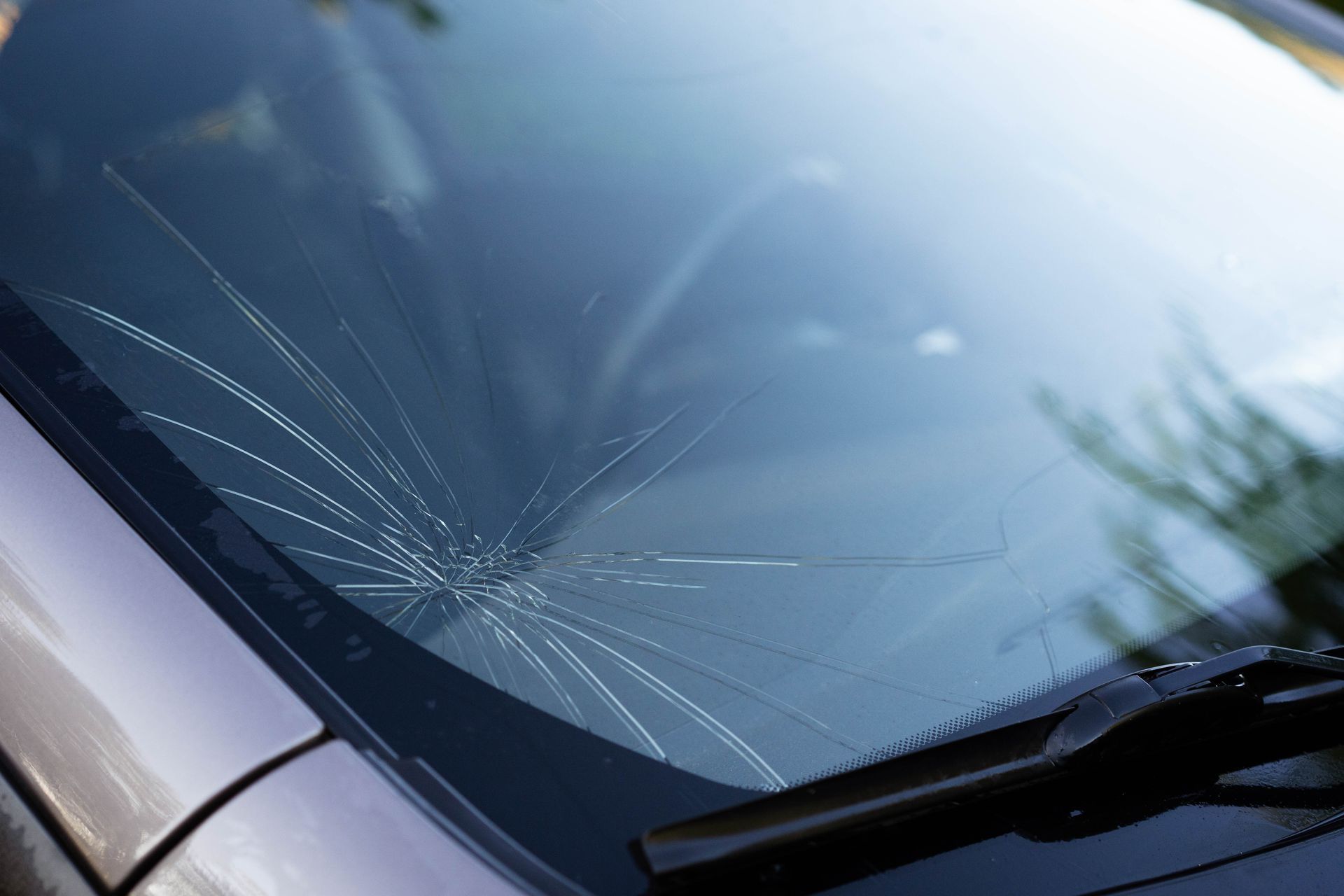
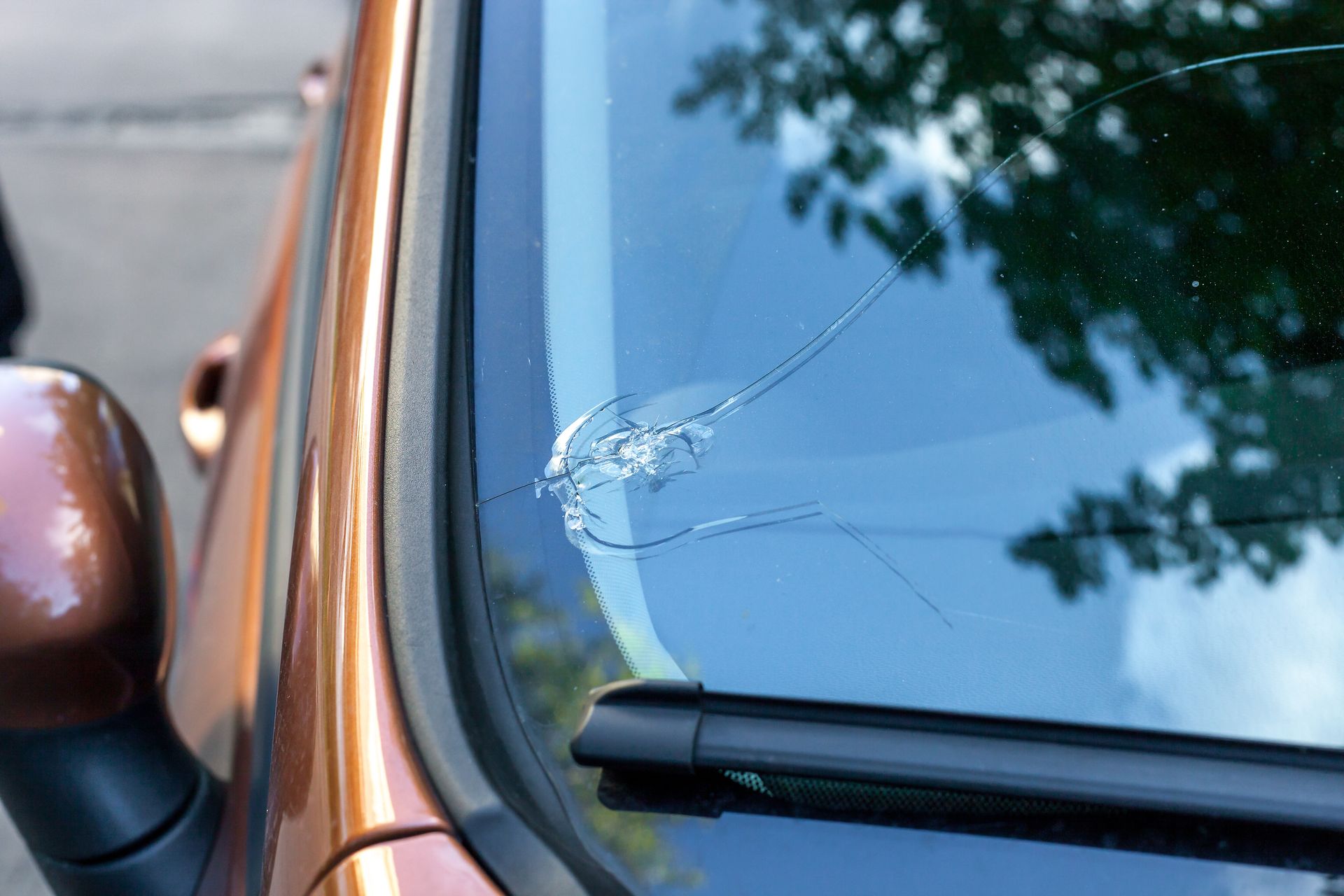
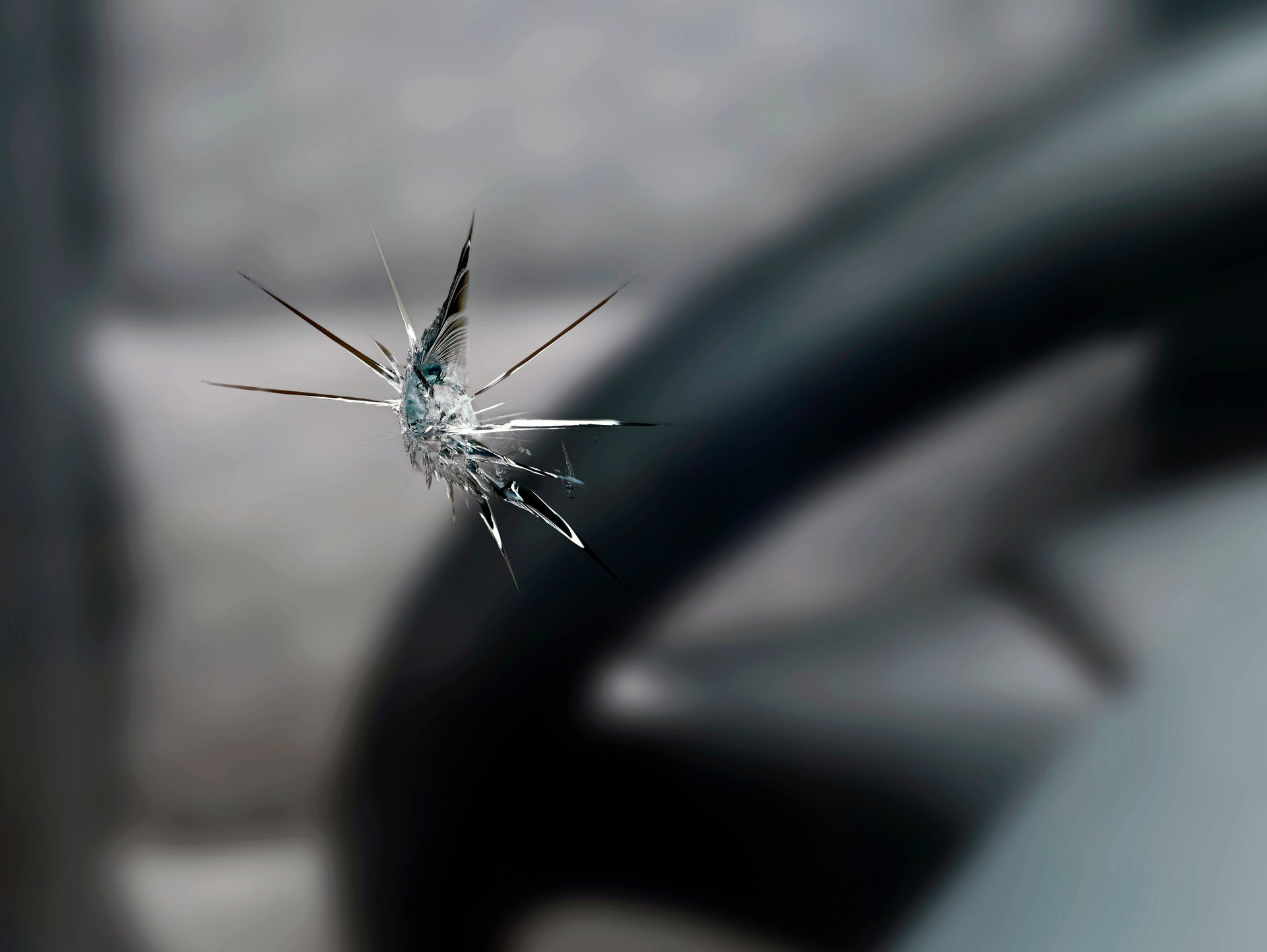
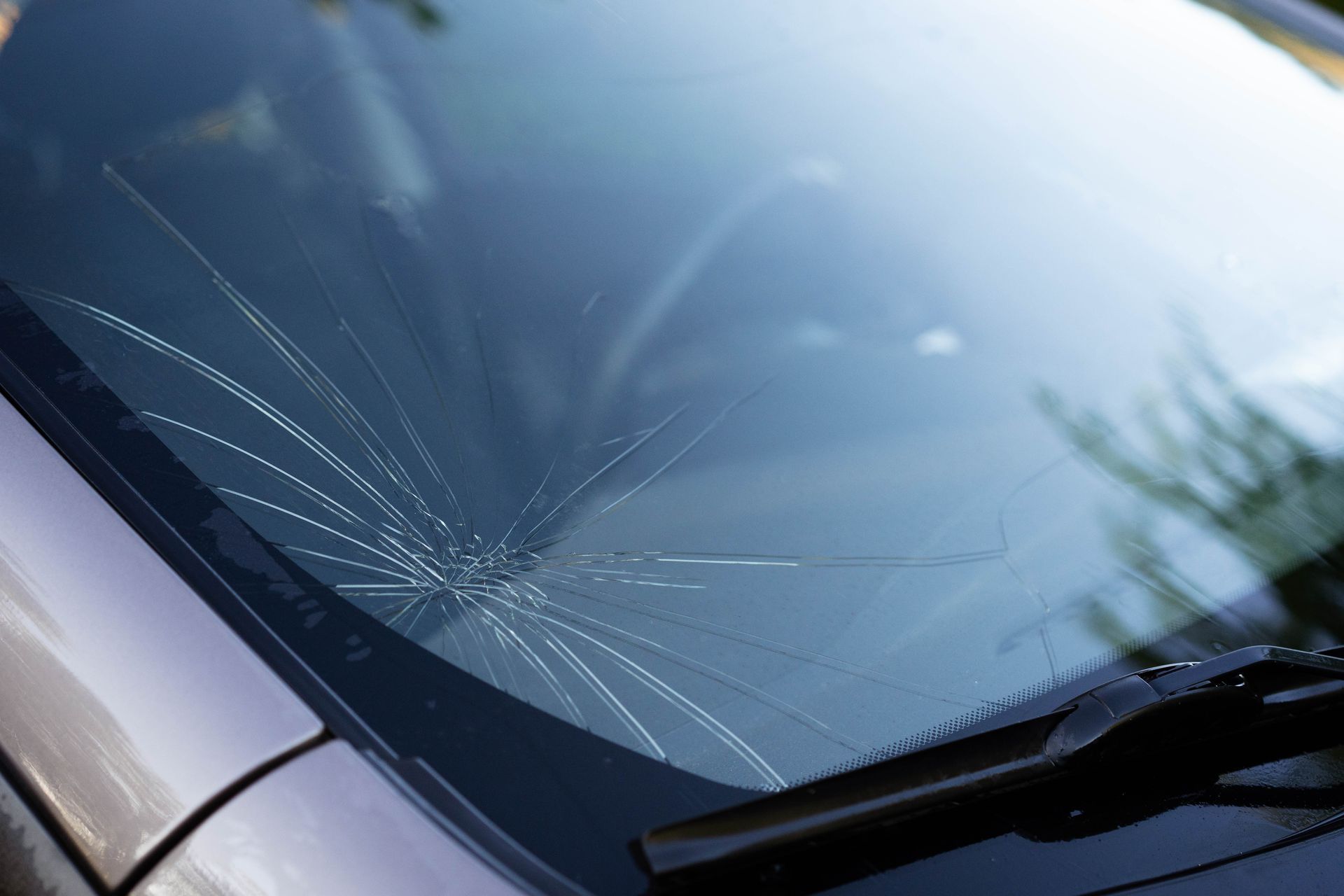
Windshield and side or rear window glass commonly sustain different kinds of damage. A car's windshield faces a constant risk of high-speed impacts by loose gravel, rocks, and other road debris. These impacts often leave chips and cracks which may impair your visibility and grow larger over time.
A simple chip, also known as a stone break, may simply look like an isolated dot of damage on the glass. Auto glass professionals refer to chips with cracks radiating outward from them as stars. You can also experience a bulls-eye, in which circles of damage form around a central chip.
Side and rear windows more commonly sustain damage for other reasons, such as break-ins and vandalism. Debris can also create chips and cracks on side windows. Extreme heat and side-impact collisions may cause tempered glass to shatter. Alignment problems in the window mechanism can also damage window glass.
4. Replacement Concerns
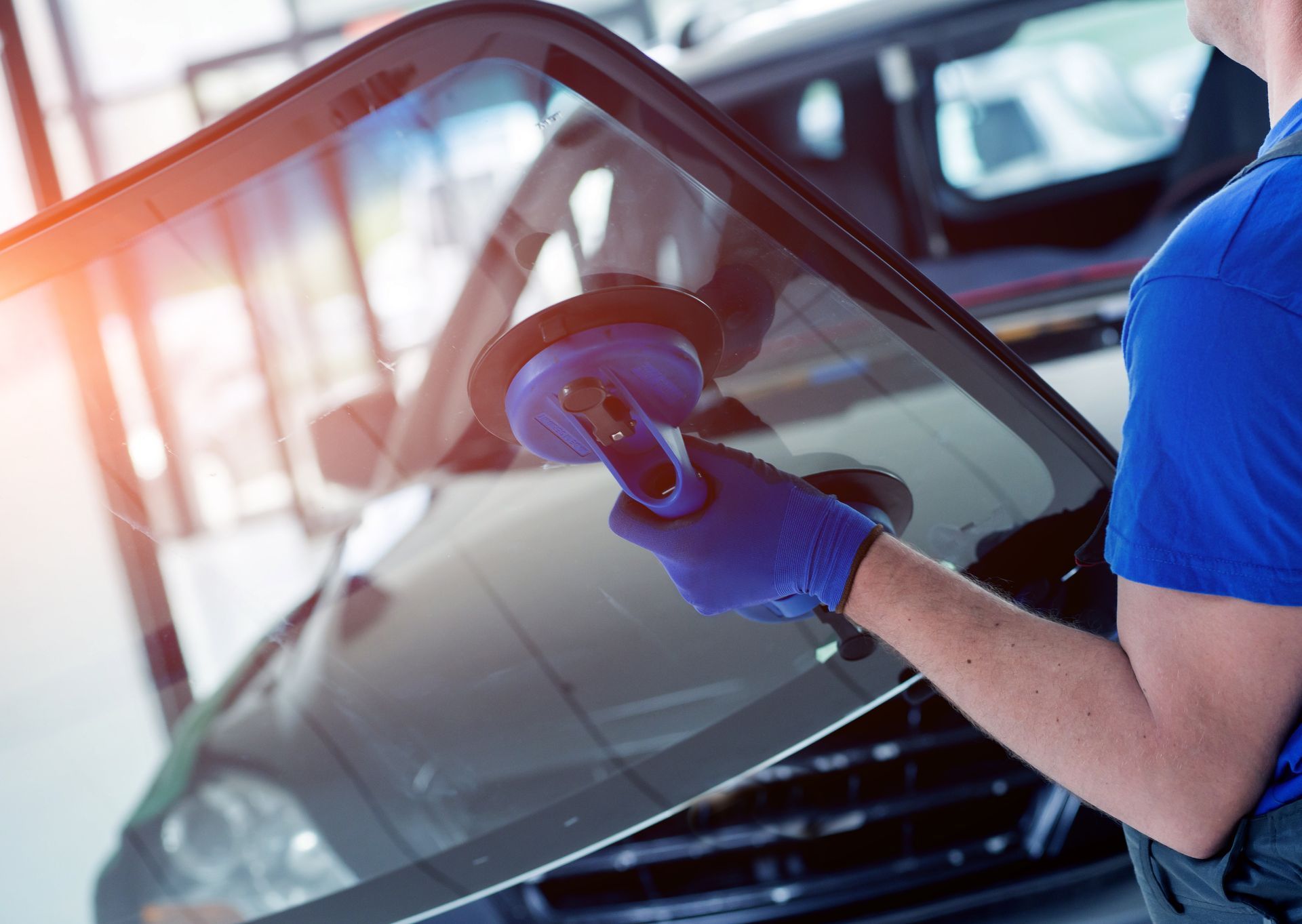
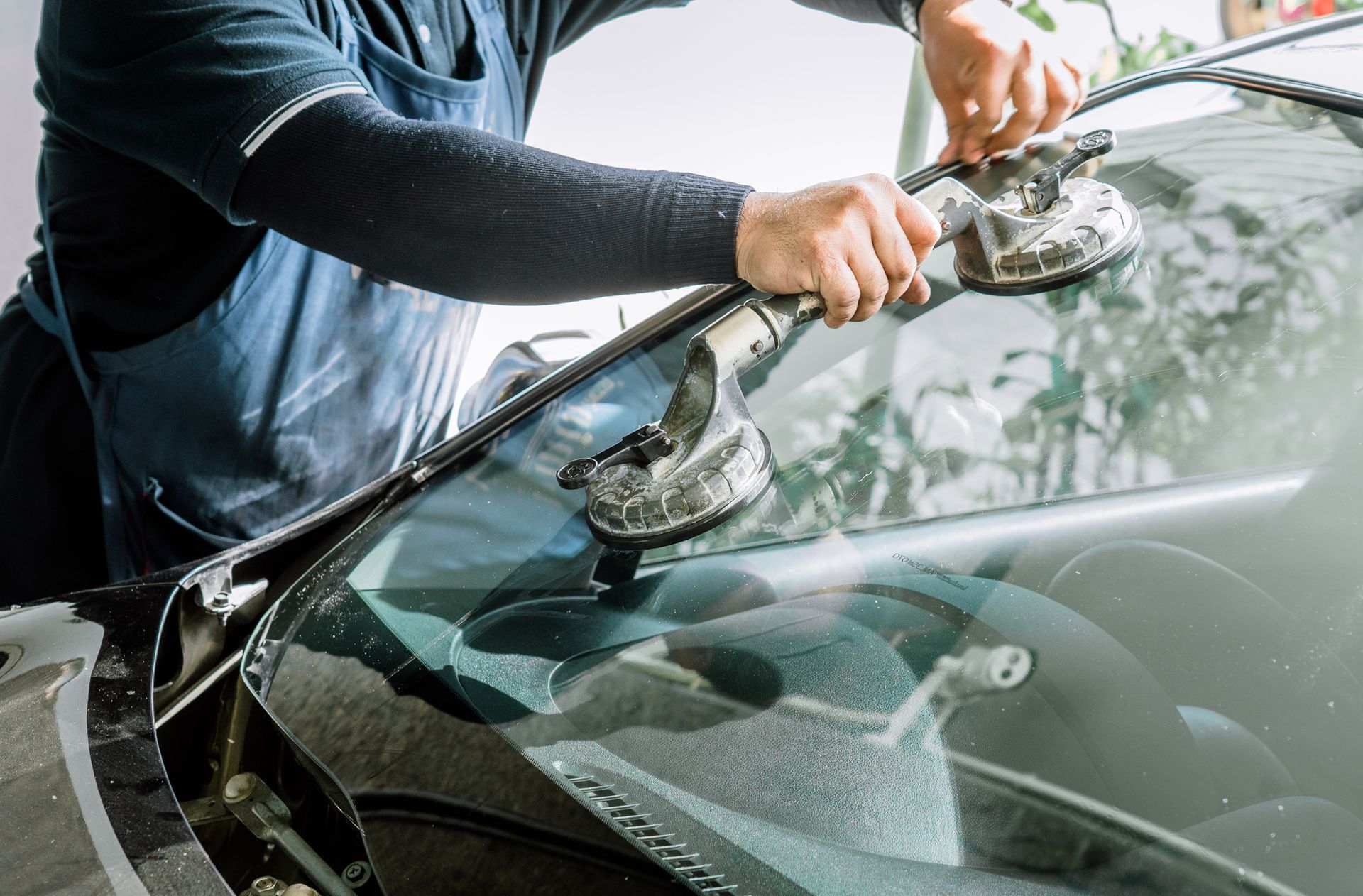
If your windshield or car window glass gets damaged, you may wonder whether you should let it go unaddressed, get the damage repaired, or invest in a replacement of the entire glass panel. The answer will depend on the location of the glass and the extent of the damage.
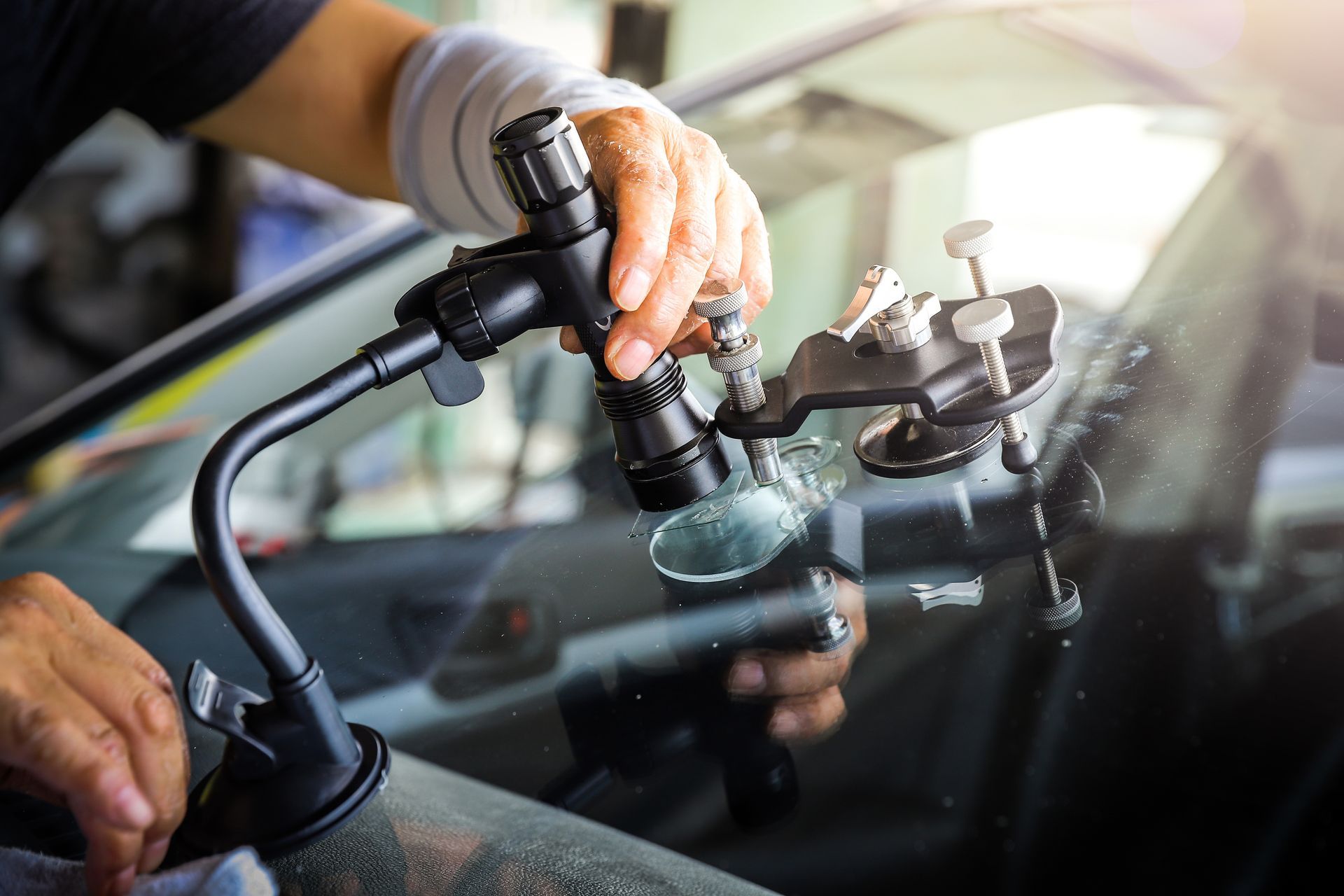
Smaller windshield chips and cracks generally respond well to repairs. A skilled auto glass technician can inject clear resin into the chip or crack. Once the resin cures, the final result may appear all but undetectable. However, large chips or extended cracks represent a potential safety hazard, requiring you to replace the windshield.
Auto glass repair technicians can sometimes use the same techniques to repair tiny chips or cracks in side windows. However, since the tempered glass in these windows tends to shatter instead of flex, you'll probably have too little glass left in your window to contemplate this option.
When you need to address a cracked windshield, damaged auto glass, or both scenarios at the same time, MS Glass Outlet can solve your problem. Our skilled team offers a variety of high-quality auto glass repair and replacement services. Contact us today to tell us about your issue and
request a quote.